The ownership split
The Glazer family holds 69 percent of the voting shares at Manchester United. This majority prevents Sir Jim Ratcliffe from forcing a total sale of the club. Ratcliffe and INEOS hold 28.9 percent of the stake. INEOS manages football operations including transfers and coaching staff. The Glazers retain financial control. This split defines the current era. You likely know the Glazer takeover caused immense debt in 2005, but the new financial pressures stem from different sources. The Glazers hold power.
Because the Glazer family still holds the majority of the voting shares, they decide whether the club is ever fully sold and Ratcliffe cannot force a sale without their explicit consent or final agreement.
The stadium delay
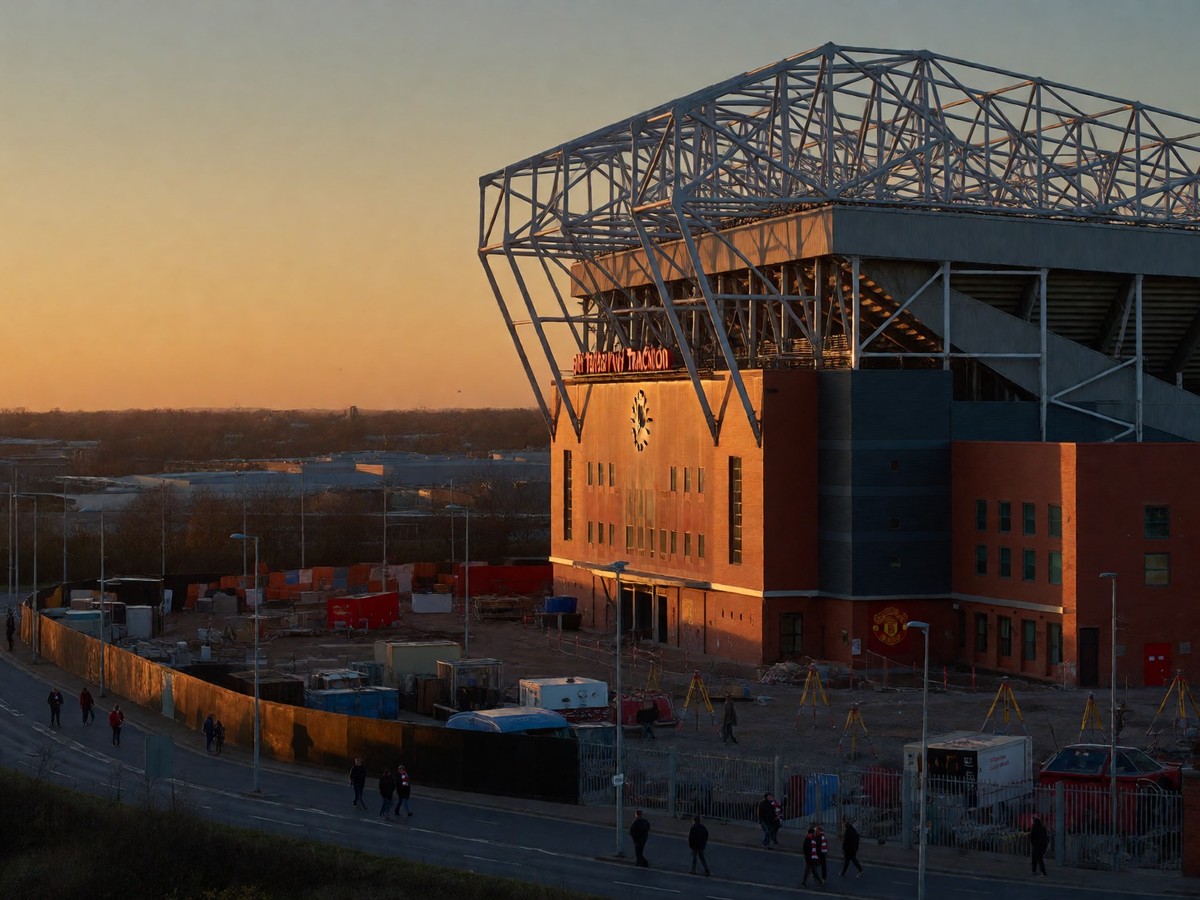
The New Trafford Stadium project faces a major delay. Negotiating the purchase of land from Freightliner remains the biggest challenge for INEOS. Freightliner might not vacate the land fully until 2031. This timeline falls a year past Ratcliffe’s goal for the 2030/31 season. The project costs £2 billion. A 100,000-seat capacity remains the goal. The design includes three towers and a large canopy. This canopy alone costs £200 million. INEOS may scrap the canopy to save money. The stadium will include the Munich clock.
The project is the pet project of Sir Jim Ratcliffe. He wants the "Wembley of the North." The project is the Old Trafford Regeneration. The area will see 1.8 million visitors annually. The design uses 35-degree angle stands. These are the steepest stands allowed in the UK. The project will create 92,000 jobs. It will also create 17,000 new homes. The construction will use 160 modular components. These parts will travel up the Manchester Ship Canal.
Will the land negotiations reach a conclusion before the next fiscal year?
The transfer revolution
Michael Carrick leads the squad following his appointment in November 2025. He replaced Erik ten Hag after a poor start to the season. Carrick uses a 4-3-3 formation. This system requires a ball-playing goalkeeper and a deep-lying playmaker. The club prioritizes a defensive midfielder and a wide forward from the right side. INEOS set a net-spend discipline for the summer 2026 window. They allocated £180 million for gross spending and target £45 million from player sales. PSR rules limit the budget.
The transfer market remains the focus of the INEOS sporting structure. The recruitment team uses data from platforms like FBref to select players. They prioritize players under 26 with resale value. The club seeks to replace aging players with high wages. The club scored only 62 Premier League goals in the 2025/26 season. This was the lowest total since 2015/16. Passing accuracy improved from 82 percent to 87 percent under Carrick.
The club wants Moises Caicedo from Brighton. They previously failed to sign him. His valuation sits at £75 million. The recruitment team also targets Victor Osimhen. Napoli may negotiate around £85 million. The club wants a left-footed center-back. They submitted a £35 million bid for Leny Yoro. Leny Yoro is 18 years old. The club also watches Noah Sadiki. Sunderland wants at least £45 million for him.
| Player | Position | Valuation (£M) | Priority | Probability |
|---|---|---|---|---|
| Moises Caicedo | CDM | 75 | High | 65% |
| Victor Osimhen | ST | 85 | High | 45% |
| Leny Yoro | CB | 35 | Medium | 70% |
| Noah Sadiki | CDM | 45 | High | 50% |
| Alexander Sorloth | ST | 45 | Low | 30% |
Squad exits and departures
The club must sell players to fund new arrivals. The current strategy focuses on moving high earners out of the squad. Harry Maguire is expected to join Newcastle United for £25 million. This move saves the club £190,000 in weekly wages. Anthony Martial is a free agent after his contract expired in June 2026. His departure saves £250,000 in weekly wages. Jadon Sancho faces an uncertain future with Borussia Dortmund. He could command a fee of £35 million. This would save £300,000 in weekly wages.
Donny van de Beek is moving to Valencia for £18 million. This deal saves £120,000 in weekly wages. The club released Dean Henderson in January 2026. His departure saved £100,000 in weekly wages. The squad is entering a second summer of structural reshaping.
| Player | Status | Fee (£M) | Wage Saved (£k) |
|---|---|---|---|
| Harry Maguire | Newcastle | 25 | 190 |
| Anthony Martial | Free | 0 | 250 |
| Jadon Sancho | Dortmund | 35 | 300 |
| Donny van de Beek | Valencia | 18 | 120 |
| Dean Henderson | Released | 0 | 100 |
Financial obstacles
Manchester United owes £425 million in debt. The club also faces massive interest payments. Existing debts incur annual interest payments of £35 million. The projected wage bill for the 2026/27 season reaches £245 million. PSR rules cap the losses over a three-year cycle. The club must offset spending with income from sales or commercial growth. The stadium project and a full buyout compete for the same cash.
The club holds a significant amount of debt. The Glazer era left the club with hundreds of millions in borrowing. INEOS has reduced this debt to £425 million. The stadium project is expected to cost £2 billion. Financing this without taxpayer money requires significant capital. The club could use naming rights to help pay the bills. Naming rights could bring in £15 million a year. The club is a public company on the NYSE.
The growing fan unrest
The 1958 group organizes protests against the owners. Thousands of fans marched against Ratcliffe and the Glazers before the Fulham match in February. The march included 6,000 supporters. They gathered at Sir Matt Busby Way and the Hotel Football. They target the ownership model. They accuse Ratcliffe of being an incompetent clown. They claim the club is a laughing stock.
Fans staged protests at the Trinity Statue. They also protested at the Lowry Hotel to stop the team coach. The 2021 pitch invasion is a recent memory of fan anger. Supporters broke into Old Trafford to show their fury. They also targeted the home of Ed Woodward. The Glazer family faces continuous demonstrations. The 1958 group says the ownership model leads to false hope. The club owes billions.
Ownership scenarios
Three main scenarios exist for the future. Ratcliffe could buy the Glazers out in stages. The Glazers might tire of holding a minority stake. INEOS could then take full control. This would unify the transfer strategy. This would also set the stadium timeline. A new external buyer might emerge. This buyer would need sovereign or institutional money. A Qatari or Gulf vehicle could return.
The Premier League rules prevent one party from controlling two clubs in the same competition. This creates a barrier for a Qatari bid because of PSG. Saudi Arabia’s PIF owns Newcastle United. This prevents a straight PIF purchase of Manchester United. American money is a possibility. A tech billionaire or an NFL owner could buy the club. The status quo could continue for years. The Glazers have no financial pressure to sell.
The status quo holds for now. The Glazers receive value from the holding. The club trades publicly. Ratcliffe may prefer a gradual transition. Buying control first spreads the cost. The stadium project requires stability. Lenders prefer a predictable ownership picture. The debt burden remains a problem. Every season spent outside the Champions League widens the financial gap.
The collision of goals
The decision to build a new stadium forces a choice between infrastructure and ownership. The club needs capital for both. The stadium project is the biggest expense. The buyout of the Glazers is also expensive. These two goals compete for the same pool of cash. The Glazers will not sell cheaply. They have priced the club high for years. Ratcliffe faces a difficult financial window.
The club’s leadership is currently under pressure. The 1958 group says the ownership model is a boomerang. They claim the club faces mismanagement and financial greed. The stadium decision forces capital questions. The club must decide where to put its money. The Glazer family still controls the exit strategy.
Leave a Reply