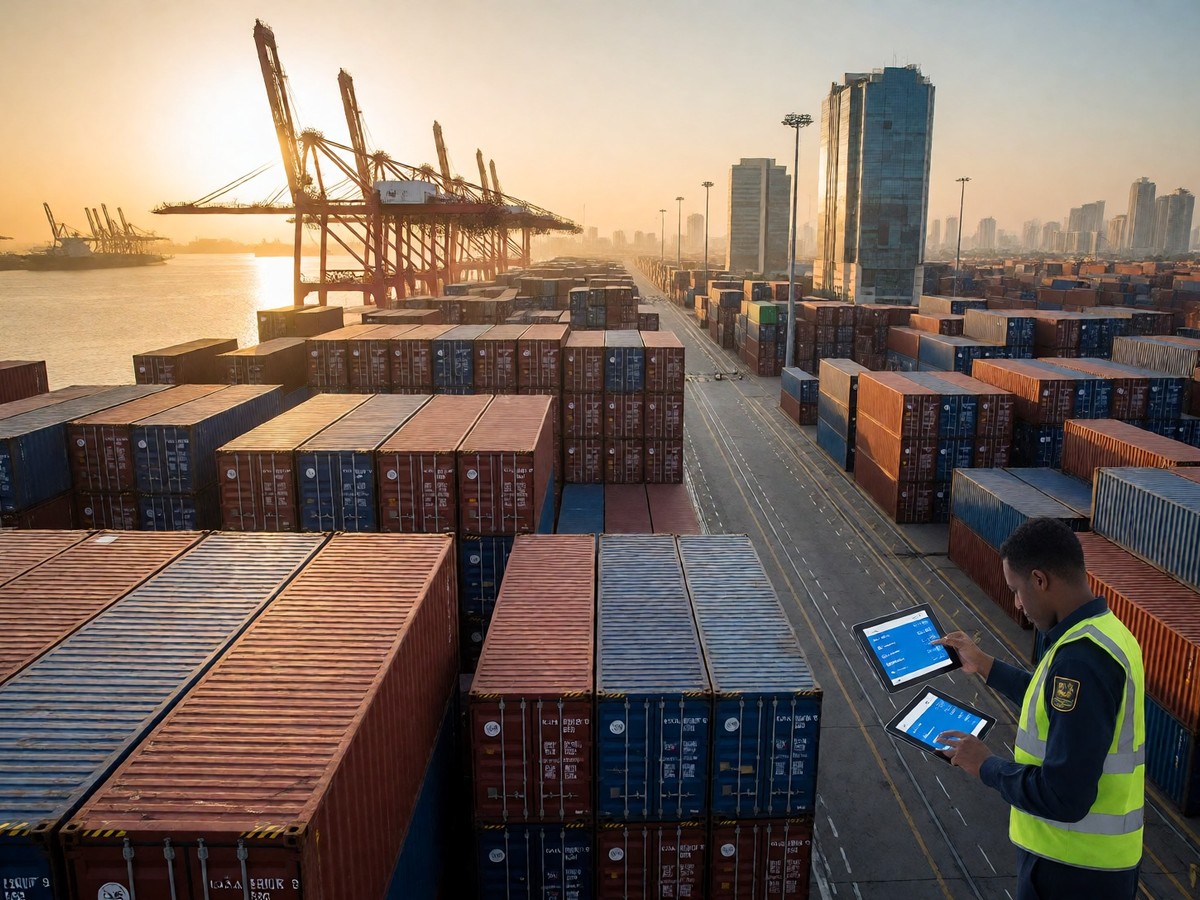
The National Bureau of Statistics updated the Nigerian GDP base year from 2010 to 2019 during the 2025 rebasing exercise. This change captures economic structures before the pandemic. The nominal GDP for 2024 reached N372.8 trillion. This figure equals approximately $243.7 billion. This movement represents a 34.35% increase from the previous N277.5 trillion estimate. While the naira figure expands, the dollar value shrank because of currency depreciation. In 2013, the GDP reached $510 billion.
The data shifted.
The National Bureau of Statistics updated the base year from 2010 to 2019 to capture the structural changes and technological shifts that occurred in the Nigerian economy before the pandemic disrupted market stability. This 2019 base year provides a period of relative normalcy for measurement. The 2024 nominal GDP of N364.6 trillion from other estimates also reflects this expansion. Real GDP shows a different story. Real GDP grew by 3.13% in the first quarter of 2025, which is an increase from the 2.27% recorded a year earlier.
Statistical shifts in the base year
Rebasing changes the base-year prices used to value final goods and services. It also updates the weights for different types of goods. The 2025 exercise incorporates new data from the 2019 and 2023 National Living Standards Surveys. It also uses the 2022 National Agricultural Sample Census Survey and the 2021 National Business Sample Census. These sources provide more granularity than the 2010 data. The 2025 methodology includes new areas like modular refineries, pension fund administrators, and the National Health Insurance Scheme. It even includes illegal and hidden activities.
The new methodology for the Consumer Price Index (CPI) reflects changing spending. The number of items in the CPI basket rose from 740 to 960. The classification divisions increased from 12 to 13. The share of food and non-alcoholic beverages in the CPI fell from 51.8% to 40.1%. The category for restaurants and accommodation services rose from 1.2% to 12.9%. This change helps account for economic shifts like the removal of petrol subsidies. The CPI uses 2024 as the price reference period. It uses 2023 for the weight reference period.
The economy remains volatile.
Structural composition and sectoral movement
The services sector provides 53.1% of the total output. Agriculture accounts for 25.8% of the economy. Industry follows these two sectors. In the 2010 series, the manufacturing share was 1.9%, but the new series shows it at 6.6%. Real estate is now the third-largest subsector. This follows the decline of crude petroleum and natural gas, which fell to fifth place.
In 2014, the rebasing changed the view of the economy significantly. That exercise moved the base year from 1990 to 2010. It increased the GDP from $270 billion to $510 billion. That increase was 89%. The 2014 rebasing showed the telecommunications sector contributed more than a quarter of the increase. It also included Nollywood and mobile phone services. Traders also became a major contributor after the survey sample increased by ten times. In 2014, the oil and gas share was 32%, but it fell to 14%. Agriculture was 35% in 2014, but it fell to 22%.
The services sector is large.
In the 2024 revision, services remain the main driver. The services sector accounts for 53.1% of output. Agriculture accounts for 25.8%. Industry remains smaller. The manufacturing sector contracted in relative importance. Agriculture remains a large, labour-intensive sector.
| Economic Metric | 2014 Rebasing Figures | 2025 Rebasing Figures |
|---|---|---|
| Base Year | 2010 | 2019 |
| Total GDP (Naira) | 80.2 trillion | 372.8 trillion |
| Total GDP (USD) | $510 billion | $243.7 billion |
| Services Share | 51% | 53.1% |
| Agriculture Share | 22% | 25.8% |
| Informal Employment | – | 93% (Q2 2024) |
The invisible engine of informal labor
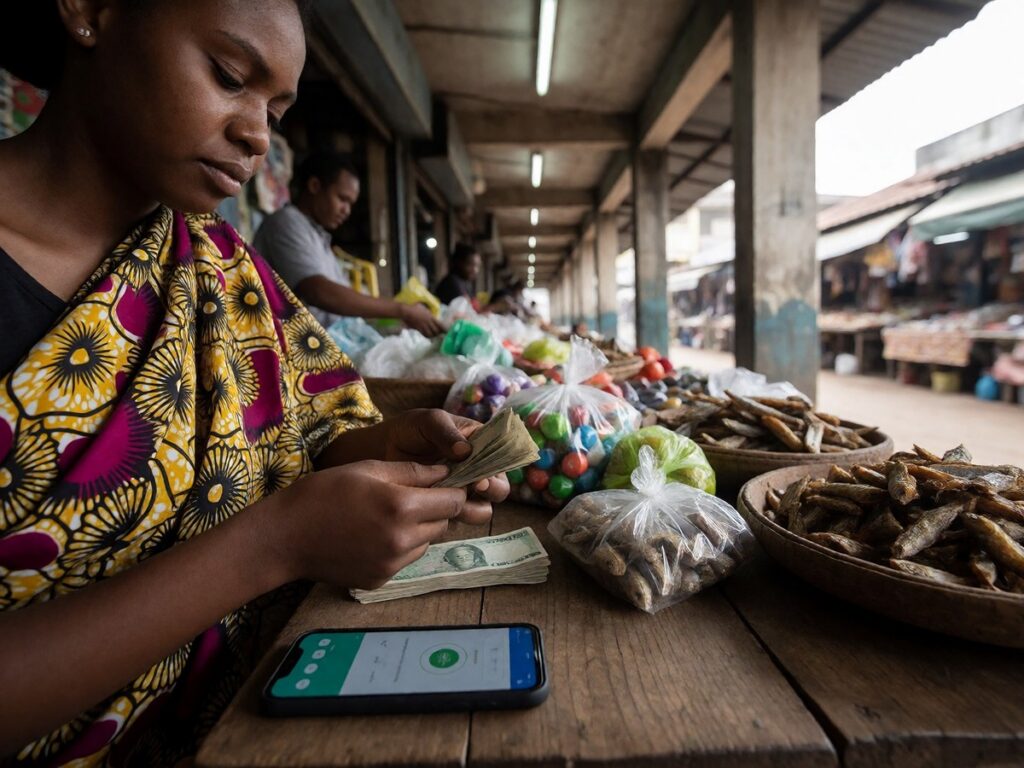
The informal economy accounts for 42.5% of Nigeria’s rebased GDP. One sociological study by Talabi Ezekiel Adetola at Orebro University pegs the informal sector at 65% of GDP. Other estimates place the contribution between 55% and 65%. The National Bureau of Statistics reported that 92.3% of employment was informal in 2023. This rose to 93% in the second quarter of 2024. Urban informal employment accounted for 89% of urban jobs.
You know the scale of the Nigerian market.
The informal sector includes street trading, artisanal production, small-scale transport, and domestic services. These activities contribute to the GDP but stay outside formal regulatory frameworks. A one percent increase in the informal sector size associates with a 0.38% rise in long-run formal GDP per capita. Many businesses reach far beyond street markets. Fintech unicorns and startups operate within these flows. Moniepoint processed $17 billion in monthly transactions in 2024. PalmPay served 1 million SMEs in 2025.
The figures rose.
Digital growth and fintech expansion
The digital economy will contribute 21% of GDP by 2027. Current digital economy revenues sit between 16% and 18% of GDP. The ICT sector accounted for 19.8% of real GDP in the second quarter of 2024. Digital revenues grew from $5.09 billion in 2019 to $9.97 billion in 2021. Nigeria is a Co-Champion of the AfCFTA Digital Trade Protocol. The legislature considers the National Digital Economy and E-Governance (NDEG) Bill. This bill would align national law with the AfCFTA Digital Trade Protocol.
The NDEG Bill would enable electronic bills of lading. This could change how customs and logistics firms handle cross-border transactions. The digital economy includes mobile money transactions and music royalties. Fintech firms like Moniepoint raised $110 million in 2024. PalmPay reported 35 million registered users in 2025. These firms are part of the faster-growing sectors. The digital economy drives much of the current structural change.
Trade liberalization and AfCFTA integration
Nigeria adopted its tariff liberalization schedule in April 2025. This schedule covers 80% of traded goods. Nigeria ratified the Digital Trade Protocol in November 2025. As a member of ECOWAS, Nigeria follows a ten-year timeframe for tariff elimination. This allows Nigerian companies to access preferential tariffs across participating economies.
The African Continental Free Trade Area (AfCFTA) includes 54 of the 55 African Union member states. It aims to close the gap in intra-African trade. Currently, intra-African trade is 14% of the continent’s total. Nigeria’s GDP in 2025 was roughly $290 billion. Full implementation of AfCFTA could boost Africa’s exports to the rest of the world by 32% by 2035. It could lift 50 million people out of extreme poverty.
Trade barriers remain. Twenty-six member states have not implemented tariff liberalization. Four states, Libya, Sudan, South Sudan, and Eritrea, have not ratified the agreement. Infrastructure gaps and fragmented border systems keep trade costs high.
Will the NDEG Bill pass the legislature?
Fiscal ratios and debt management
Rebasing changes the debt-to-GDP ratio. It fell from 52.13% to 39.4% following the 2025 update. This does not change the actual debt amount. The debt-to-GDP ratio was 52.13% before the new calculation. A larger GDP denominator improves this ratio. The World Bank guideline for debt-to-GDP is 55%. The government’s threshold is 40%.
The tax-to-GDP ratio reached 13.5% in 2024. A larger GDP does not change the actual tax revenue. The ability to service loans depends on revenue flows. Nigeria faces high debt servicing costs. The country faces weak revenue mobilisation efforts.
The growth is slow.
Regional context of rebasing
Other African countries also rebase their GDP. Kenya, Tanzania, Uganda, and Zambia all rebased in 2014. In Kenya, the 2013 rebasing increased per capita income from $994 to $1,269. This moved Kenya from low-income to lower-middle-income status. Tanzania’s GDP grew by a third after its rebasing. Uganda’s GDP rose by 13%. Zambia’s GDP increased by a quarter.
In Tanzania, the 2007 benchmark rebasing showed agriculture at 26.8% and industry at 20.2%. The services sector was 47.6%. In Uganda, the 2013 rebasing showed manufacturing rose from 8.0% to 10.0%. Agriculture was 24.8% and services was 47.1%. These changes show structural shifts across the continent. Most African economies show an increase in services and a decrease in industry or agriculture.
The path to a trillion dollar economy
Nigeria wants a $1 trillion economy by 2030. A $240 billion economy requires 33% annual growth to reach this target. This rate exceeds the growth China achieved during its expansion. The goal remains ambitious.
The 2025 rebasing provides a clearer picture of the economy. It shows the importance of the services sector and the digital economy. It also shows the scale of the informal sector. The manufacturing sector remains small. The tax-to-GDP ratio remains low. The country needs structural reforms to reach its target. These reforms include diversifying exports and strengthening institutions. Nigeria must also address currency volatility and inflation. The path to $1 trillion requires more than new statistical data.
Leave a Reply