The IMF mandate and policy reversal
The International Monetary Fund approved a $1.4 billion Extended Fund Facility for El Salvador in late 2024. This 40-month program requires the government to change its Bitcoin policy. The IMF requires that the government limit its exposure to crypto assets. It also demands that the public sector participation in Bitcoin-related activities remains ring-fenced. The Legislative Assembly amended the Bitcoin Law in early 2025 to satisfy these IMF conditions. This amendment changed Bitcoin from a mandatory legal tender to a voluntary payment method. Private businesses no longer have a legal obligation to accept Bitcoin. The state cannot accept tax payments in Bitcoin. This shift happened because the IMF identified fiscal and financial stability risks. The government must reduce its direct involvement in Bitcoin-related activities. The program also requires the liquidation of the $150 million Fidebitcoin trust. This fund was created to support the Bitcoin rollout. The government must redirect these funds to reduce the budget deficit. The government must also phase out the Chivo wallet. The IMF identifies the state-run Chivo wallet as a source of fiscal risk. Negotiations to sell the wallet to a private operator are advanced.
The Volcano Bond issuance
The $1 billion Volcano Bond issuance targets the Bitcoin City project. The government plans to issue these bonds on the Bitifinex Securities Platform. This issuance was originally planned for March 2022. Several delays occurred because of declining Bitcoin prices and regulatory issues. The bonds carry a 6.5% yield and have a 10-year tenure.
The issuance is delayed.
The proceeds will fund infrastructure and Bitcoin investments. Half of the money will go to infrastructure like geothermal mining. The other half will buy Bitcoin with a five-year lock-up period. The National Bitcoin Office expects the bond to launch in the first quarter of 2024. This initiative is part of the Bitcoin City project.
Bitcoin City and geothermal power
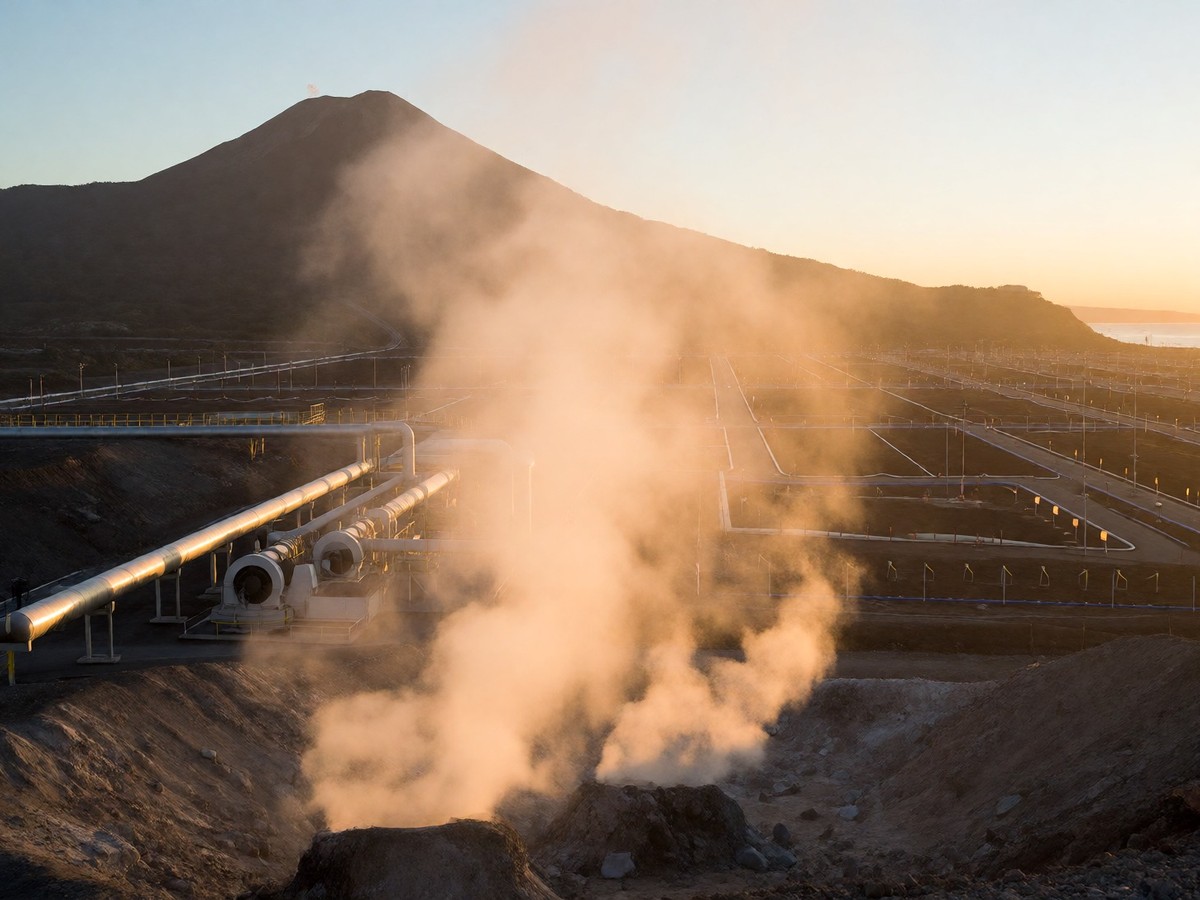
Bitcoin City will be a special economic zone located in La Union. The project is located at the base of the Conchagua volcano. The city will have residential areas, commercial zones, and an airport. Residents and businesses in the city will not pay income, property, or capital gains taxes. The only mandatory tax in the city is the value added tax. The government aims to use geothermal energy from volcanoes to power Bitcoin mining.
| Feature | Detail |
|---|---|
| Project Name | Bitcoin City |
| Location | La Union, near Conchagua volcano |
| Funding | $1 billion Volcano Bonds |
| Energy Source | Geothermal |
| Bond Yield | 6.5% |
| Bond Maturity | 10 years |
| Tax Status | No income, property, or capital gains tax |
The project uses thermal energy from a volcano. This energy will support the mining of Bitcoin. The government plans to expand geothermal capacity by 2035. This expansion includes six or seven new 50 MW plants.
Chivo and Fidebitcoin liquidation
The IMF requires the liquidation of the $150 million Fidebitcoin trust. This fund was created to support the Bitcoin rollout. The government must redirect these funds to reduce the budget deficit. The government must also phase out the Chivo wallet. The IMF identifies the state-run Chivo wallet as a source of fiscal risk. Negotiations to sell the wallet to a private operator are advanced. The Chivo wallet was launched in 2021 with a $30 signup bonus.
The Chivo wallet faced many issues. Identity theft caused the theft of signup bonuses. Most users stopped using the platform after they collected their bonuses. The government is winding down its participation in the Chivo system. You should remember that the Chivo wallet was the centerpiece of the 2021 strategy.
The remittance reality
Remittances are the main source of income for 30% of Salvadoran recipients. In 2024, remittances were 24% of the GDP. The US provides 98% of these flows. In the first half of 2026, remittances reached $5.06 billion. Only $35.4 million of that amount moved through crypto channels. This amount is only 0.7% of the total volume. Most transfers still use traditional agents like Western Union.
Bitcoin was intended to lower the cost of these transfers. The government expected to save $400 million in fees annually. However, the participation rate in the crypto remittance market did not exceed 1% on a sustained basis since 2024. The economic model remains dependent on the US labor market.
The state’s Bitcoin reserves
The government holds approximately 7,700 BTC. This amount is worth about $490 million. The IMF prohibits new public sector acquisitions. The government maintains its existing holdings. While the government says it is not buying more, trackers show holdings near 7,734 BTC. The IMF says these changes are just transfers between government wallets.
The government holds BTC.
The reserves are not being sold under the IMF deal. The accumulation phase ended when the IMF placed a ceiling of zero on new purchases. The government remains committed to its reserve strategy.
Adoption and user demographics
Bitcoin adoption is low. A July 2026 poll from Universidad Francisco Gavidia says 92% of people do not use it. Only 7.5% use it for transactions. Research from Tobias Boos shows users are mostly young, urban, and male. These users already had bank accounts. The policy did not reach the rural or informal sectors.
The Bitcoin experiment failed. The government failed to attract foreign direct investment through this policy. The goal to lower remittance costs failed. The plan to use Bitcoin for financial inclusion failed.
Will the government resume Bitcoin purchases once the IMF program ends?