
Tag: squad cost ratio

  • Chelsea’s Clearlake restructuring versus Arsenal’s Emirates model

    Chelsea’s Clearlake restructuring versus Arsenal’s Emirates model

    Chelsea faces regulatory pressure

    UEFA issued Chelsea a €3m (£2.6m) fine for breaching its 2025 squad cost ratio limit. Two million euros of this penalty remains conditional on Chelsea reducing its squad cost ratio in 2026. This follows a 2024 breach where the club paid an €11m fine. In 2024, the squad cost ratio limit sat at 80 per cent. The limit fell to 70 per cent in 2025. Chelsea still exceeded this 70 per cent limit despite winning the Club World Cup last year. The £84.5m earned from that competition fell into the 2025 calculation for UEFA purposes because the governing body counts non-performance distributions when clubs receive them. Chelsea also recorded around £48m of its £80m in Champions League prize money during the 2025 calendar year. This mismatch between seasonal spending and accounting periods creates difficulty for the club.

    The club faces a long period of monitoring. Chelsea remains subject to a settlement agreement until the end of the 2028-29 season. A breach of this agreement could result in a one-year ban from European competition. In 2024, the club also faced a €20m fine for breaching football earnings rules. That breach included a threat of a total fine of €80m. The club is currently fifth in the Premier League with a wage bill of £97m. It finished 10th in the league last season, which means the club will not play in Europe in 2026-27. This absence of European football will remove a major source of income for the upcoming season.
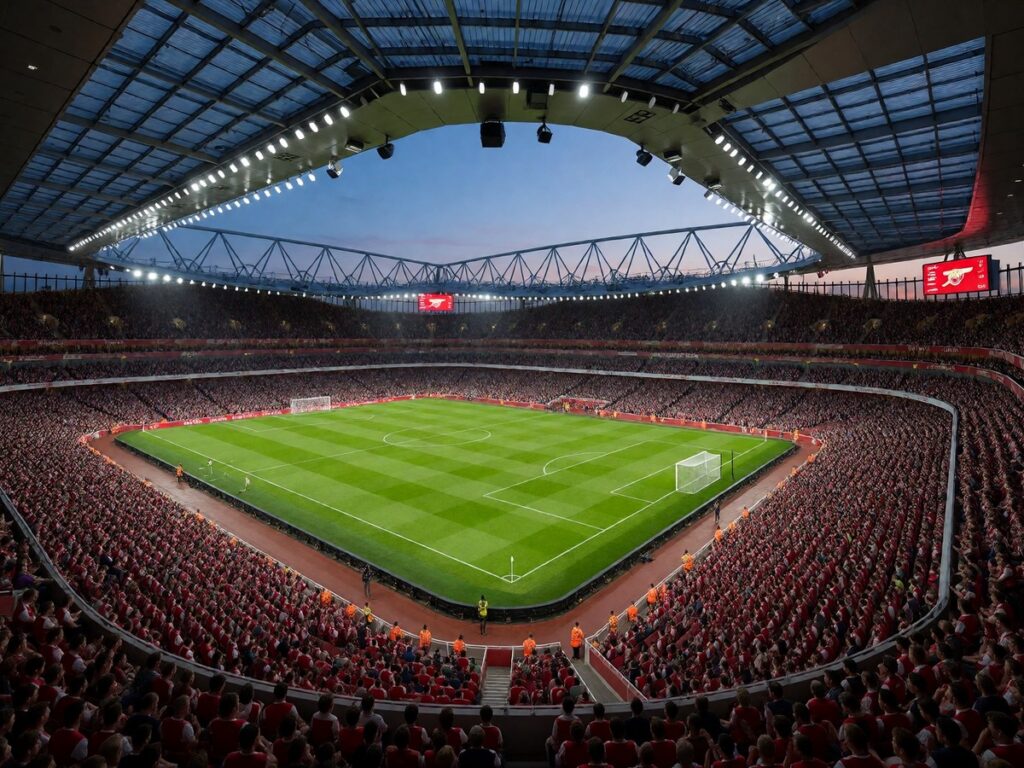
    Chelsea's Clearlake restructuring versus Arsenal's Emirates model (2)

    Clearlake restructuring and ownership shifts

    Clearlake Capital holds 61.5% of Chelsea. The firm is now negotiating to buy out co-owners Todd Boehly and Mark Walter. This deal values the club at approximately £5bn. Mark Walter seeks to raise funds to pay insurers following a US federal investigation into $21bn in loans. Chelsea reported a pre-tax loss of £262.4m for the year ending June 30 2025. This loss is the largest ever recorded by a Premier League club. It exceeds the £197.5m loss reported by Manchester City in 2010/11. The club paid agents £65m over the last 12 months. This is the highest amount paid to agents in the Premier League.

    The ownership transition intends to ease internal tensions. Clearlake already maintains day-to-day operational control. The buyout of Boehly and Walter should simplify decision making at Stamford Bridge. This restructuring also addresses disagreements regarding the redevelopment of the stadium. Behdad Eghbali has clashed with Boehly over whether the club should rebuild Stamford Bridge or move to a different site. Chelsea’s financial position remains precarious as the club manages its high cost base. The club also faces pressure from the Premier League’s profitability and sustainability rules.

    Player trading and contract length tactics

    Chelsea relies on player trading to manage its balance sheet. The club generated £314.4m from player sales in the summer of 2025. This included Noni Madueke for £52m, Kiernan Dewsbury-Hall for £29m, and Djorde Petrovic for £25m. The club also sold its women’s team to BlueCo Midco for almost £200m. The club’s decision to sign players on decade-long deals is a massive gamble that risks long-term squad imbalance. Chelsea uses long contracts to spread the cost of players over many years. Cole Palmer has a ten-year deal. Pedro Neto and Joao Felix both signed seven-year contracts. The Premier League capped the amortisation period at five years for new contracts in December 2023. This rule does not apply to players signed before that date.

    The club treats players as assets to be traded for profit. This strategy involves buying talent early and selling them when they gain value. For example, the club sold Angelo Gabriel to Al-Nassar for £19.4m. This sale resulted in a £9m accounting profit. The club has signed over 35 players across five transfer windows since 2022. The total outlay for these transfers reached nearly £1.2 billion. Only £440m was generated from player sales during that same period. This results in a net transfer spend exceeding £700m. The club’s squad includes approximately 42 players. Many players are currently out on loan to other clubs.

    Arsenal’s revenue growth and Emirates model

    Arsenal expects a record revenue of £793.3m for the 2025/26 season. This follows a £617m revenue in the 2023-24 season. The club won the Premier League title for the 2025-26 season. Arsenal also reached the Champions League final in 2025/26. The club’s broadcast revenue for the 2025/26 season is estimated at £325.4m. This includes £198.7m from Premier League distributions and £123.8m from UEFA distributions. Commercial revenue for the 2025/26 season is estimated at £305.7m. This follows a $280 million commercial revenue in 2024/25.

    The club operates on a self-sustaining business model. Managing director Vinai Venkatesham says all pitch investments come from revenues generated off the pitch. Arsenal’s commercial growth comes from Adidas contract increases and the Sobha Realty Training Centre naming rights deal. Matchday revenue from 25 games at the Emirates Stadium in 2024/25 reached $166 million. This was a 28% increase from the previous year. The club also increased ticket prices for men’s fixtures by an average of 3.7%. Arsenal’s revenue growth remains tied to its performance on the pitch.

    Financial Metric Chelsea (2025 Reported) Arsenal (2025/26 Estimated)
    Total Revenue £490.9m £793.3m
    Pre-tax Profit/Loss (£262.4m) Loss £31.0m Profit
    Annual Wage Bill £97m £396.8m
    Champions League Income £80.2m £123.8m

    Comparing wage bills and squad costs

    The gap between Chelsea and Arsenal in wage expenditure is large. Arsenal’s recurring wages for the 2025/26 season reach an estimated £396.8m. This includes a £40m increase for sporting-related wages and a £10m increase for non-sporting wages. Arsenal’s wage bill for the 2026-27 season is estimated at £154m. This places the club third in the Premier League for wage expenditure. Arsenal currently sits at the top of the Premier League table.

    Chelsea’s wage bill for the 2026-27 season is £97m. This puts the club seventh in the league for wage spending. The difference in spending levels shows two different approaches to squad management. Chelsea carries a high cost base through massive transfer outlays and long contracts. Arsenal grows its spending in line with its rising revenues. Other Premier League clubs show different patterns. Hull City has a wage bill of £52.9m but sits third in the league. Liverpool has the highest wage bill at £177m but sits seventh. Aston Villa has a £98m wage bill and sits 19th.

    The impact of European football

    European competition creates significant differences in club cash flow. Arsenal’s revenue grew because it returned to the Champions League. The club’s broadcast revenue increased because it reached the quarterfinals in 2023-24 and the final in 2025/26. Arsenal received a $101 million distribution from the competition in 23/24. This is much higher than the $28 million it received when it was in the Europa League.

    Chelsea faces a different reality. The club won the Club World Cup last year, which brought in £84.5m. However, the club will not play in Europe in 2026-27 because it finished 10th last season. This will reduce the club’s revenue for the next cycle. Without Champions League money, the club must find other ways to pay its expensive squad. The club is also subject to the squad cost ratio, which counts revenue against squad spending. High revenue from European prize money helps clubs meet this ratio. Chelsea’s high underlying costs remain a concern without that extra income.

    Ownership philosophies and stability

    The ownership structures of the two clubs dictate their financial flexibility. Chelsea is managed by a private equity consortium. Clearlake Capital and its partners aim to grow the club’s value to flip it for a profit. This approach leads to high spending and a focus on player trading. The owners treat players as assets to be developed and sold. This model creates volatility in the squad and the accounts.

    Arsenal is owned by Stan Kroenke. He bought out Alisher Usmanov for £550m to take full control of the club. Arsenal follows a model where the club grows through its own revenue. It does not rely on massive injections of cash from owners to cover operating losses. The club’s commercial and matchday growth funds its pursuit of trophies. You understand the logic: high spending requires high revenue to avoid UEFA sanctions. Arsenal builds its strength through internal growth, while Chelsea builds its strength through external investment and asset trading.

    Will Chelsea’s reliance on trading youth players eventually hit a ceiling that no amount of amortisation can fix?


  • Newcastle’s youth gamble versus Villa’s profit machine

    Newcastle’s youth gamble versus Villa’s profit machine

    Newcastle United faces a complex financial crossroads as their strategic approach to squad building shifts. The club’s recent transfer activity signals a departure from the massive spending seen immediately after the 2021 takeover. While the Public Investment Fund (PIF) spent £404.7m during the first three years of ownership, the club only brought in £50.4m from player sales. This imbalance forced the club to confront the reality of Profit and Sustainability Rules (PSR). They also entered a three-year settlement with UEFA to address breaches of financial sustainability regulations. Now, the club relies on player sales and a focus on younger talent to maintain stability.

    The Newcastle spending gap

    Newcastle’s revenue reached £335.3m in their most recent accounts, a massive increase from the £140.2m recorded during the final full campaign of Mike Ashley’s ownership. However, the club’s net spend across the period from 2021-22 to 2023-24 hit £408m. This spending placed them fifth in England. Last summer, the club saw a net spend of £141m on transfers, or an estimated £260m on a gross basis. This figure included the British record sale of Alexander Isak to Liverpool for £125m. Despite this significant income, the club still spent heavily on new arrivals.

    Newcastle's youth gamble versus Villa's profit machine (2)

    The numbers differ.

    The club’s focus on youth became evident this summer. They spent more than £100m on players aged 20 or younger. This includes goalkeeper Ewen Jaouen, midfielders Sean Steur and Aladji Bamba, and winger Bazoumana Toure. This investment follows a previous five-season period where the club spent approximately £75m on players aged 20 or younger. These arrivals lack the immediate experience of previous signings like Sven Botman. The club also faced a bruising 12th-place finish last season after missing out on European football.

    Villa’s academy profit engine

    Aston Villa uses player trading to fuel their pursuit of the Premier League elite. The club’s academy generated more than £200m through sales in the last five years. They sold Jack Grealish to Manchester City for over £100m in 2021. The club also sold Jaden Philogene and Cameron Archer to manage costs. These homegrown sales deliver pure profit for the club. This strategy helps them stay within the rules.

    The club’s ability to sell players remains their primary method for competing. This summer, Villa saw Morgan Rogers depart for Chelsea for a record £117m. This deal included an initial £8m fee and £7m in potential add-ons from Middlesbrough. They also sold Youri Tielemans to Manchester United for £35m. Other departures included Moussa Diaby to Al Ittihad for £50m and Jhon Duran to Al Nassr for £65m. They also moved Douglas Luiz to Juventus for £42.5m.

    Villa’s squad building involves selling players to comply with UEFA and Premier League rules. The club recently sold Jacob Ramsey to Newcastle United for £39m, a deal that provided pure profit because he is an academy product. They also sold Lucas Digne to Paris Saint-Germain for £8m, Lewis Dobbin to Southampton for £9m, and Donyell Malen to Roma for £23m. These sales help manage the squad cost constraints.

    New rules change the game

    You already know the basics of these rules. The Premier League replaced PSR with the Squad Cost Ratio (SCR) system. This rule allows clubs to spend a maximum of 85 per cent of their football revenue on squad costs. These costs include player wages, amortised transfers, and agents’ fees. Villa’s revenue reached £378m during their last Champions League campaign, which allowed for an SCR spend of £265m. Newcastle’s SCR budget ranks ninth in the league at £243m.

    The SCR system introduces new thresholds for compliance. A club stays within the green threshold if they spend up to 85 per cent of their revenue. If a club exceeds the red threshold, which is 30 per cent above the green threshold, they face a fixed six-point deduction. This penalty increases by one point for every £6.5m spent over the red threshold. Compliance involves assessments on March 1 and monitoring in October.

    The club must also manage its liquidity and working capital. The Premier League requires clubs to demonstrate they can manage required outgoings and unforeseen fluctuations. This includes a liquidity headroom test that accounts for a stress test of £85m. If a club fails to meet these requirements, the league can impose spending limits or demand a business plan.

    Infrastructure and revenue

    Newcastle faces a £1 billion requirement to fund a new city-centre stadium or a renovation of St James’ Park. The current ground holds 52,305 people. The club also identified a site in Woolsington near Newcastle Airport for a new training ground. Increasing matchday revenue through stadium expansion remains a priority for CEO David Hopkinson.

    Villa also focuses on infrastructure to drive revenue. The club expanded the North Stand at Villa Park this season. This expansion helps increase the matchday income needed to support their squad. Higher revenue allows for more flexibility under the SCR rules.

    Financial Metric Newcastle United Aston Villa
    Recent Revenue £335.3m £378m
    Recent Net Spend £105m £3m (5-year)
    Recent Major Sale £125m (Isak) £117m (Rogers)
    Squad Cost Ratio Limit £243m £265m

    A changing dugout

    The management situation at Newcastle changed abruptly this summer. Eddie Howe resigned following a 3-1 loss to West Ham. This departure occurred after the club sold Anthony Gordon to Barcelona for £69m and Sandro Tonali to Tottenham Hotspur for £92.5m. The club also faces uncertainty regarding captain Bruno Guimaraes, who expressed interest in joining Arsenal.

    Villa also saw significant changes in their leadership. The club saw the departure of Monchi, the president of football operations, who was a close confidant of Unai Emery. This happened as the club worked to maintain its squad following Champions League qualification. Villa also moved on from players like Leon Bailey to stay compliant.

    While Newcastle United players like Anthony Gordon and Sandro Tonali moved to Barcelona and Tottenham Hotspur respectively, Aston Villa saw Morgan Rogers depart for Chelsea for a record £117m to ensure they maintained their financial health under strict UEFA regulations this season.

    The youth gamble

    Newcastle’s current strategy relies on high-potential youngsters. They spent more than £100m on players aged 20 or younger this summer. This includes Ewen Jaouen, Sean Steur, Aladji Bamba, and Bazoumana Toure. The club expects these players to flourish with time. However, the club also faces the reality of a 12th-place finish.

    The club’s transfer approach shifted from buying established stars to developing talent. This move aims to navigate the constraints of the SCR. The club also needs to manage its UEFA settlement. They sold key players to ensure they had the ability to reinvest.

    Will the youth players deliver the promised returns?

    The club’s approach remains a point of debate. Some see it as a necessary evolution under new financial realities. Others worry it lacks the ambition promised in 2021. The club must balance this talent development with the need for immediate results.

    Villa’s tactical finance

    Villa’s finance model focuses on stability. They have invested over £500m in their squad since the owners bought the club in 2018. The club’s wage bill rose from £108m in 2019-20 to £273m in 2024-25. This growth includes bonuses for Champions League participation.

    The club continues to use its academy to stay competitive. They sold players like Jaden Philogene and Cameron Archer to stay within the rules. This method allows them to keep their core squad while meeting financial obligations. They also use loans to manage the squad. Villa signed Jadon Sancho and Harvey Elliott on loan to provide depth.

    They also made free transfers to bolster the team. They signed Victor Lindelof as a free agent. This allows them to focus their spending on more significant acquisitions. They also signed Evann Guessand from Nice.

    Villa excels instead.

    The club’s ability to remain competitive while selling talent shows a clear plan. They have achieved two Champions League qualifications and a Europa League title under Emery. They finished ahead of Tottenham Hotspur for the past four seasons. This success suggests their financial model works.

    Newcastle faces debt.

    The club’s net spend remains high. They spent £141m net in the summer of 2025. This follows a period where they spent £450m on players between the takeover and June 2024. The club’s reliance on selling stars like Alexander Isak and Anthony Gordon shows the pressure of the rules. They must continue to sell to keep spending.