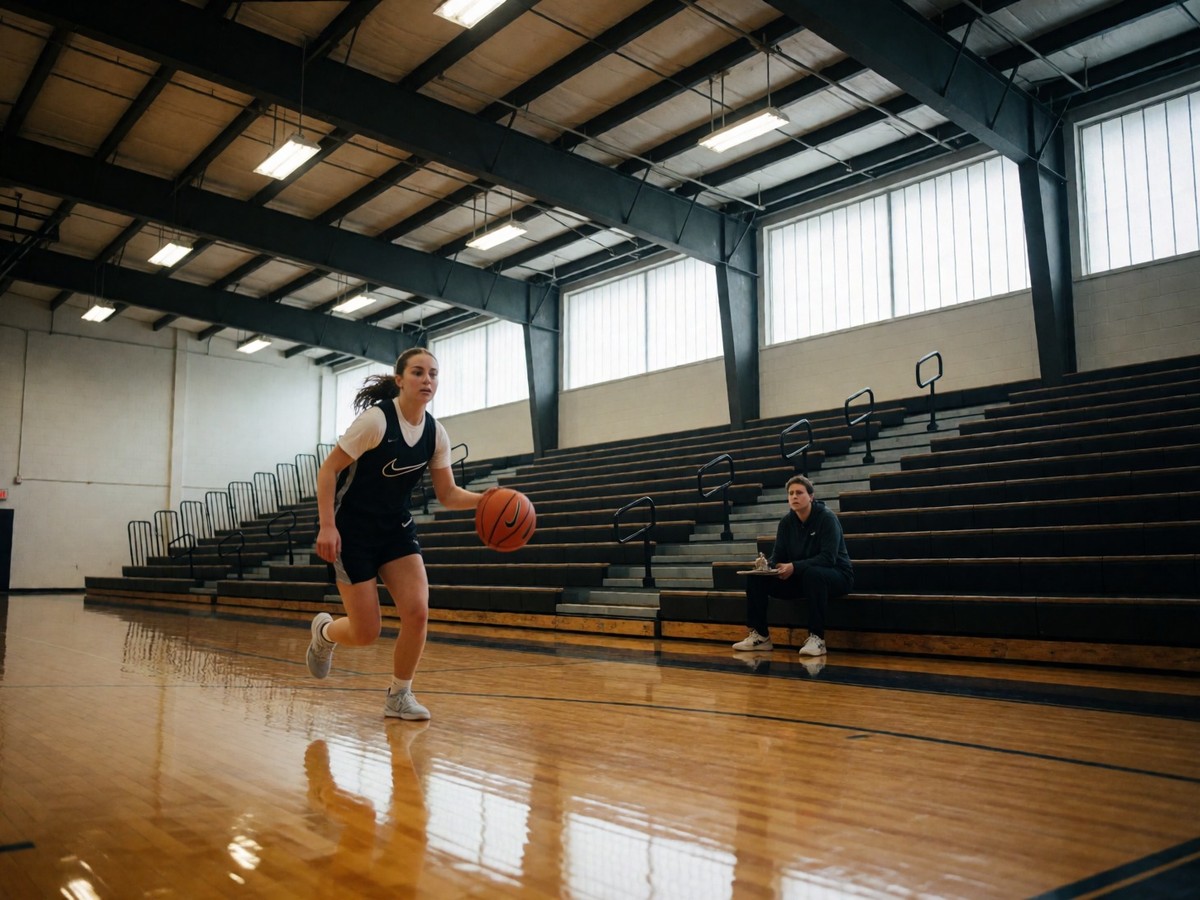
D1 coaches can initiate personal contact on June 1 after a student-athlete’s sophomore year. This contact includes texts, emails, and direct messages. Coaches can also call athletes. 78 percent of basketball recruits connect with coaches before their junior year. D2 coaches can contact student-athletes at any time. D3 and NAIA teams do not follow the same strict regulations and can contact athletes at any point. Coaches build lists of top prospects by sending questionnaires, evaluating highlight film, and watching recruits compete in person.
Coaches scout talent.
The 2026-27 NCAA recruiting calendar
The NCAA recruiting calendar dictates when coaches can evaluate or contact athletes. A recruiting shutdown means no forms of recruiting are permitted. This includes no contact, no evaluations, no visits, and no phone calls. August 10 through August 16, 2026, is a recruiting shutdown. May 3 through May 8, 2027, is a recruiting shutdown.
Dead periods restrict in-person contact and evaluations. Communication via phone, email, or social media remains legal during these times. December 24 through December 26, 2026, is a dead period. April 1 through April 5, 2027, is a dead period. April 22 and April 26, 2027, are dead periods for high school and two-year college PSAs only. May 13 and 17, 2027, are dead periods. June 16 and 20, 2027, are dead periods. July 8, 13, 22, and 27, 2027, are dead periods.
Quiet periods allow in-person meetings on a college campus. Coaches cannot visit a recruit’s home or watch them play in person during these times. August 1 through August 31, 2026, is a quiet period. April 6 through July 31, 2027, is a quiet period.
Evaluation periods, or live periods, allow coaches to watch players compete in person. Coaches cannot have recruiting conversations with players off the college campus during these stretches. October 1, 2026, to February 28, 2027, is an evaluation period for scholastic activities. April 23 through April 25, 2027, and May 14 through May 16, 2027, are evaluation periods for certified nonscholastic events. July 9 through July 12, 2027, and July 23 through July 28, 2027, are evaluation periods.
Contact periods allow all forms of communication. September 1 through September 30, 2026, and March 1 through March 31, 2027, are contact periods for seniors and two-year college prospects.
Grassroots circuit opportunities
Coaches scout players at grassroots circuit events. These events have different costs and attendance levels. Nike, Under Armour, and Adidas sponsor these evaluation events.
| Circuit Type | Gear | Cost to Family | Coach Attendance | Best Fit |
|---|---|---|---|---|
| Primary (Nike EYBL, Adidas 3SSB, etc.) | Brand-provided | Lowest | Heaviest D1 | Elite prospects |
| Secondary (UA Rise, etc.) | Family-paid | Entry + gear | Moderate | Mid-major/D2 |
| Independent (Hoop Group, etc.) | Team-owned | Most cost-effective | Real | D2/D3/NAIA |
Primary circuits involve Nike EYBL, Adidas 3SSB, UAA, PUMA Pro16, and New Balance P32. These events have the heaviest high-major Division I attendance. Secondary circuits include EYBL Scholastic, UA Rise, and regional series. These are for players targeting mid-major programs and below. Independent circuits include Hoop Group, NY2LA, and Zero Gravity. These fit players still building their game.
Digital recruiting platforms
Recruiting platforms help athletes reach coaches. Some platforms provide human assistance while others focus on data.
| Platform | Free Tier | Premium Cost | Primary Advantage |
|---|---|---|---|
| RawRecruit | Permanent | $29.99/mo | AI matching |
| NCSA | Very limited | $500 – $4,200/yr | Human coaching |
| SportsRecruits | Yes | $99/mo or $399/yr | Transparency |
| FieldLevel | Yes | Varies | Coach referrals |
NCSA assigns a recruiting coach to help create an individualized plan. This service costs between $500 and $4,200 per year. It provides access to college coach databases and profile hosting. SportsRecruits provides a dashboard to track recruitment progress. It costs $99 per month or $399 per year. It allows athletes to see which coaches view their profiles and videos. FieldLevel works through high school and club coach referrals.
RawRecruit provides AI matching and direct coach contact. The Varsity tier costs $29.99 per month. This tier includes an AI Advisor, coach phone numbers, and roster analytics. It uses a 5-dimension Fit Score with 135 data points per school. CaptainU provides video hosting and distribution. BeRecruited provides free profiles and basic school searches.
Which platform provides the best ROI for a five-star prospect?
Effective communication strategies
Recruits can call coaches any time if they initiate the contact. Coaches cannot return a voicemail. Athletes should email coaches before they call. Many athletes email coaches to say when they plan to call. High school or club coaches can help set up these times.
Creating a highlight video is a necessity. Coaches rely on these videos to find interested student-athletes and build lists. A recruiting profile acts like an online resume. It shows athletic skills, academic achievements, and contact information. This profile helps coaches decide if a player fits their team.
Recruits can use free tools like a coach email generator to draft introductory emails. These emails include the athlete’s grad year and measurables. This ensures the coach knows the athlete when the contact window opens. You should keep your film ready.
Live evaluation windows
Evaluation periods, or live periods, allow coaches to watch players compete in person. Coaches cannot have recruiting conversations with players off the college campus during these stretches. Coaches sit in their own sections at these events. They use separate entrances from families. They arrive with a list of recruits they want to see.
Coaches use these periods to assess playing ability and academic qualifications. Most coaches attend club events in April, May, June, and July. Because high school and college games are often scattered, these periods are when coaches evaluate prospects.
Athletes should reach out to coaches before a live period occurs. Sending an introductory email with a link to a recruiting profile and highlight film can help secure an evaluation.
Recruits call coaches.
Scholarships and verbal offers
Coaches make verbal offers at any time. These offers are not binding on either side. D1 programs have 15 scholarships per team. This is more than the 13 scholarships available to men’s basketball teams.
Athletes should ask what could affect their scholarship. Factors include academics, injury, team rules, coaching changes, or other school policies. If a school plans to reduce, cancel, or not renew an athletics scholarship, it must notify the athlete in writing. The school must also provide an opportunity to appeal.
Evaluating college fit
Families consider academics, campus life, and cost when searching for schools. They consider school size and campus culture. There are almost 2,000 colleges that offer women’s basketball across NCAA, NAIA, and JUCO programs.
Recruiting websites can help families find the right fit. Some sites allow athletes to contact current players. Talking to current players helps athletes learn about the reality of college life. This contact helps them find schools that meet both academic and athletic goals.
Rules limit contact.