
Inflation reached 33.8% in July 2026. This figure increased from the 33.5% recorded in June 2026. Monthly inflation stood at 2.1% in July. Food inflation hit 34.5% in July. Core inflation reached 32.2% in July. These numbers reflect a persistent pressure that threatens the stability of the current monetary framework. The government faces a difficult path to maintain disinflation while managing a complex exchange rate system.
The current economic stability relies entirely on external liquidity and political survival.
Argentina owes the International Monetary Fund approximately $57 billion. This debt exceeds one-third of the total current lending of the Fund. In April 2025, Argentina negotiated a $20 billion support program. The Fund provided $12 billion of this amount up front. The first review of the program in June 2025 noted that net international reserves stood at minus $4.7 billion. This deficit in reserves creates a massive vulnerability for the repayment of foreign debt. Argentina must pay foreign creditors approximately $45 billion by the end of 2027. This includes $8 billion due through January 2026. Without sufficient reserves, the ability to meet these obligations remains uncertain.
The US Treasury Secretary Scott Bessent has pledged to do whatever it takes to prevent a disorderly peso devaluation, providing a $20 billion swap line and hundreds of millions of dollars to support Argentina’s fragile economy. This intervention follows a period of intense volatility in the Buenos Aires foreign exchange market. In October 2025, the US Treasury spent approximately $2.5 billion to intervene directly. This action occurred after market participants feared a devaluation following the 2025 midterm elections. Such support provides breathing room, but it also raises questions about long-term sustainability. The US Treasury aims to prevent a scenario where the peso crashes through the top of its allowed band.
The exchange rate convergence in 2026 suggests a tightening of the various markets. In June 2026, the Blue Dollar reached approximately 1,500 ARS per USD. The official rate sat at about 1,477 ARS per USD. The MEP rate matched the Blue Dollar at roughly 1,500 ARS per USD. These figures show that the historical gap between official and parallel rates has nearly vanished.
| Rate Type | ARS per USD |
|---|---|
| Official (BNA) | ~1,470 |
| Blue Dollar | ~1,500 |
| MEP Dollar | ~1,480 |
| WanderWallet Rate | ~1,520 |
The gap closed.
The new currency framework uses a crawling band to manage volatility. The upper limit of this band rises at 1% per month. The lower limit falls at 1% per month. This system debuted on January 2, 2026. It replaced the previous crawling peg that used a 2% monthly depreciation rate. This new approach allows for more flexibility, but it also removes a mechanical nominal anchor. The lagged indexation of the exchange rate to inflation can impart inertia to price increases. If the economy produces high inflation in one month, the depreciation rate in the following months will automatically accommodate it.
The government attempts to build reserves through budget surpluses. Milei achieved a fiscal surplus in 2024. This followed deep cuts to salaries, pensions, and public investment. However, the government must also run surpluses to accumulate the dollars needed for debt repayment. These purchases often require the central bank to use pesos, which creates inflationary pressure. The central bank intends to maintain a contractionary monetary bias if inflation stays above international levels. This strategy remains difficult because money demand in Argentina fluctuates heavily. People switch easily between pesos and dollars when they lose confidence in the local currency.
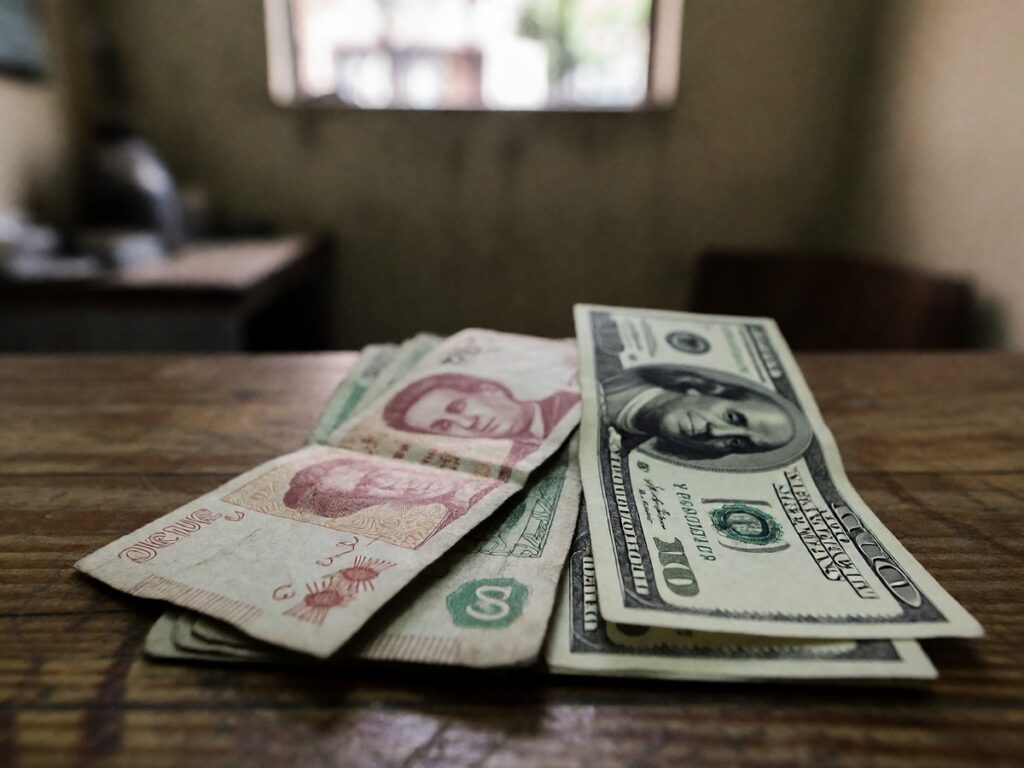
The cost of living remains a primary concern for the population. A Big Mac costs nearly 60% more in Argentina than in the United States. This reflects the overvalued status of the peso. The wide range of exchange rates also dictates how visitors and locals spend money. The Blue Dollar, or informal cash market, requires clean $100 bills and physical visits to exchange houses called cuevas. The MEP rate, derived from securities trading, applies to foreign cards. In 2026, the MEP rate remains very close to the Blue Dollar.
You know how quickly Argentine markets move during election cycles.
The differences in exchange methods involve specific costs and convenience levels. Using a foreign credit card involves an MEP rate that usually lags the Blue Dollar by 2-3%. Card companies also charge fees ranging from 2.8% to 6% on average. Travelers often use WanderWallet to access the Dolar Cripto rate through QR codes and Alias payments. This rate typically stays 3-5% better than the MEP rate. Using cash at a cueva involves a 1-3% spread between buy and sell rates.
The program carries risks.
The reliance on US Treasury support makes the program vulnerable to shifts in American political priorities. The US intervention aims to support an ideological ally, but the market may eventually test the credibility of this political commitment. If the central bank cannot accumulate reserves, a negative economic shock could force a devaluation. Such a move would threaten the stability of the entire economic plan. The government needs to transition to a more sustainable strategy that does not rely on constant external liquidity.
The political landscape in Argentina remains highly polarized. The 2025 midterm elections provided Milei with a strong plurality, which helped stabilize the market. However, the ability to sustain vetoes in Congress depends on the number of deputies in the lower house. A loss of political clout would make it difficult to maintain fiscal stabilization and deregulation. The current convergence of rates and the recent US support provided temporary relief.
Will the central bank maintain the crawling peg if reserves continue to dwindle?
The convergence of rates and the narrowing gap between the official and Blue Dollar suggests a move toward unification. The authorities continue to manage the exchange rate to anchor inflation expectations. This strategy relies on the ability of the central bank to buy dollars without triggering massive peso selloffs. The stability of the peso remains tied to the success of the IMF program and the continued support of the US Treasury.