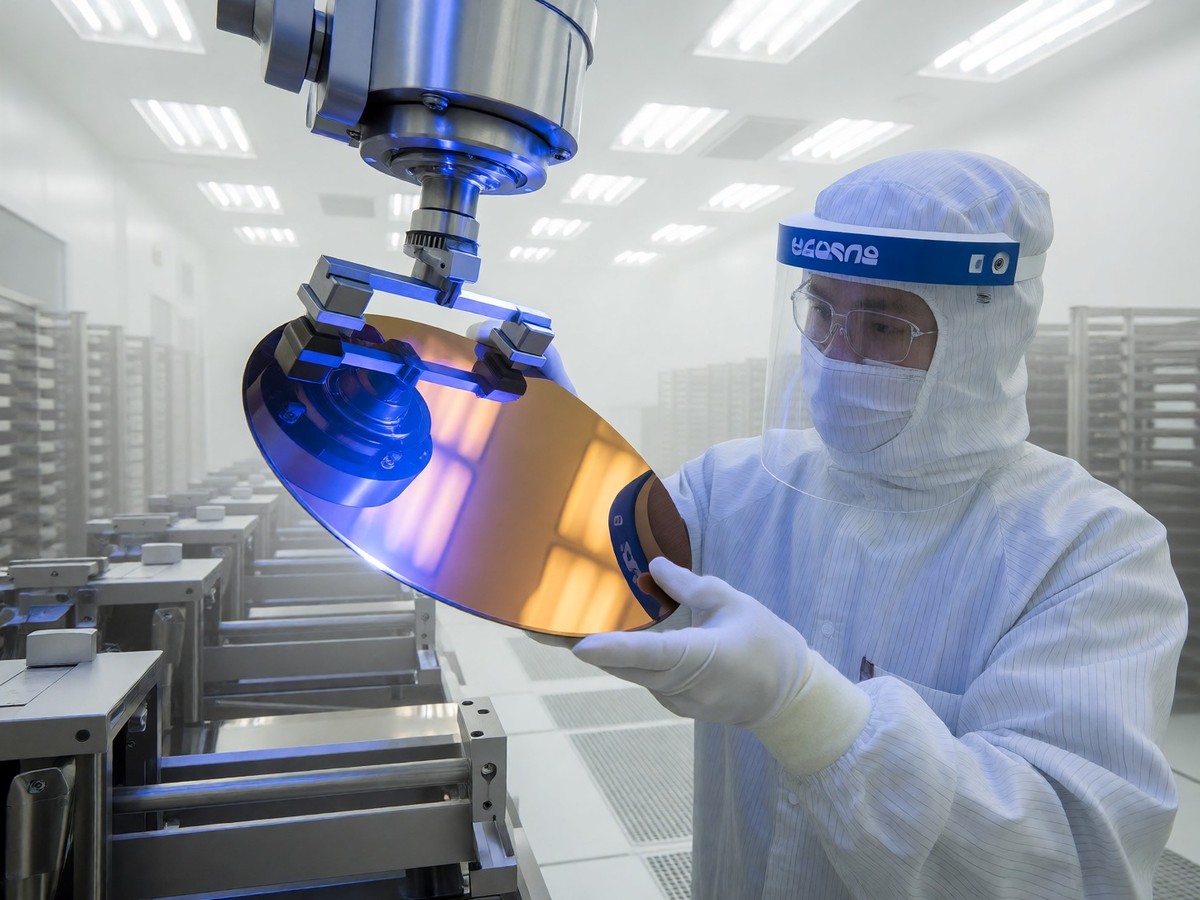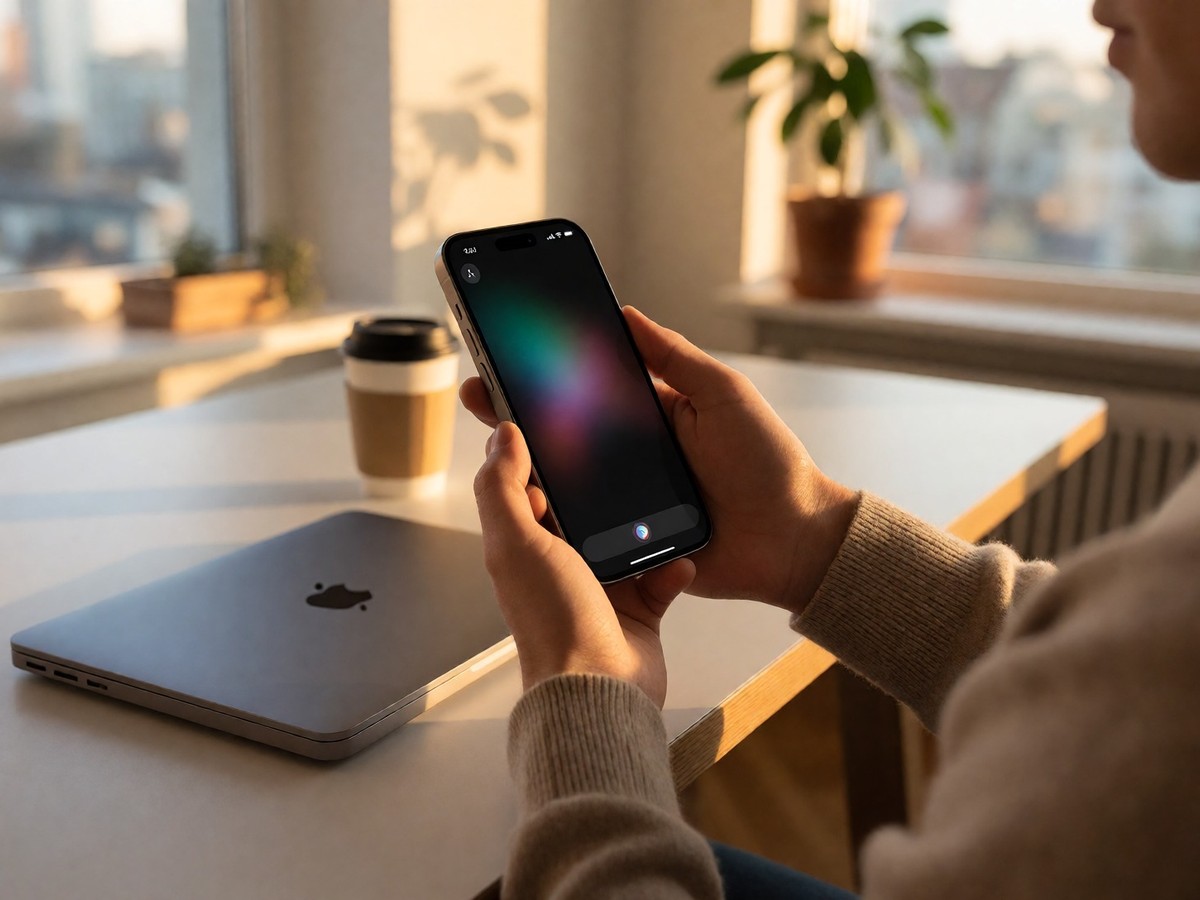
Apple handles most AI tasks on the device itself to keep user data private. The company uses its own silicon to run generative models locally on the iPhone, iPad, and Mac. This approach means the phone processes the information using its own processor without needing a cloud connection for basic tasks. For more complex requests that require larger foundation models, Apple uses Private Cloud Compute. This system uses custom-built server hardware in Apple data centers to run AI workloads. Apple designed this cloud system to ensure that personal user data remains inaccessible to anyone other than the user, including Apple staff.
The A18 Pro chip powers this on-device intelligence. This 3-nanometer chip includes a 16-core neural engine with 35 TOPS of theoretical performance. It uses two Everest cores running at 4050 MHz and four Sawtooth cores running at 2420 MHz. These chips provide the 8 GB of RAM required to handle the intensive processing for Apple Intelligence. Earlier models like the iPhone 15 only have 6 GB of RAM, which might not be sufficient for these large language models.
| Component | Specification |
|---|---|
| Chipset | A18 Pro |
| Process | 3 nanometers |
| Neural Engine | 16-core |
| NPU Performance | 35 TOPS |
| RAM | 8 GB LPDDR5X |
| CPU Cores | 6 (2 Everest, 4 Sawtooth) |
| GPU Cores | 6 |
| GPU Frequency | 1490 MHz |
The MacBook Neo also uses the A18 Pro chip. This entry-level laptop costs $599 and includes a 16-core Neural Engine to support on-device AI tasks. It provides 16 hours of battery life and features a 1080p FaceTime HD camera. While the A18 Pro supports AI, the MacBook Neo lacks the M5 chips found in the MacBook Air. The M5 Pro and M5 Max chips handle AI tasks up to 4 times faster than the M4 predecessors.
Siri AI adds new capabilities
Siri AI acts as a more capable assistant through deep integration across Apple products. This new version of Siri draws on personal context to search messages, emails, and photos. It also performs systemwide app actions. Users can ask Siri to answer questions about content on their screen or search the web for up-to-date information. A dedicated Siri app allows users to restart or revisit conversations. iCloud syncs this conversational history privately across devices.
The integration with third-party models changes how Siri functions. Apple uses Google’s Gemini models to power certain Apple Intelligence features. This collaboration helps Apple provide advanced chatbot capabilities. Apple is also discussing adding Google’s Gemini as an additional option later this year. This follows the existing partnership where ChatGPT assists with complex or creative requests. When Siri directs a question to ChatGPT, the user does not see the request history in their ChatGPT app.
I find the lack of ChatGPT history frustrating.
The writing tools in iOS 18 and macOS 15 provide immediate utility. These tools help users proofread, rewrite text in different tones, or summarize content. This functionality works well for professional or friendly messaging. However, some features like Genmoji take a long time to create. You might wait several minutes for a single emoji.
Hardware requirements for intelligence
Not every iPhone runs the full suite of Apple Intelligence features. The software requires specific hardware to manage the heavy processing loads. On-device AI tasks specifically require an iPhone 15 Pro or later. You also need an iPad with an M1 chip or later to run these features. The MacBook Neo, which uses the A18 Pro, also supports these capabilities.
| Device Model | AI Compatibility |
|---|---|
| iPhone 15 Pro | Supported |
| iPhone 15 Pro Max | Supported |
| iPhone 16 series | Supported |
| iPad (M1 or later) | Supported |
| MacBook Neo | Supported |
| iPhone 14 | Not supported for on-device AI |
| iPhone 13 | Not supported for on-device AI |
The iPhone 16 series includes a camera control button. This button allows users to activate Visual Intelligence. This feature uses the camera and Siri to identify objects. This hardware-based approach differs from the iPhone SE, which is expected to use the A18 chip but will lack the camera control button. This means the SE will not have access to Visual Intelligence. The SE will instead feature a 6.1-inch OLED screen and Face ID, replacing the Home button.
The A18 chip provides enough power for the upcoming iPhone SE. This device will likely cost $499. It includes USB-C and MagSafe for charging. While it lacks the camera control button, the A18 chip ensures the device can run Apple Intelligence.
Privacy and cloud processing
Apple relies on on-device processing to keep user data disaggregated. Data that stays on the device is not subject to centralized attacks. When the device needs more power, it sends requests to Private Cloud Compute. This system uses a hardened operating system to protect privacy. It uses code signing and sandboxing to limit the attack surface.
Apple collaborates with Google and NVIDIA to expand this infrastructure. They use NVIDIA GPUs and Google Cloud to run more complex workloads. This expansion allows for agentic tool-use and complex reasoning. Apple maintains control over the software in these data centers. Devices only trust Private Cloud Compute software that Apple cryptographically approves.
The company uses several methods to secure the cloud. It uses a verifiable, append-only ledger to track Google Cloud hardware in the PCC fleet. It also uses software attestation rooted in two separate independent vendors. This prevents attackers from easily accessing user data through the supply chain.
Does the reliance on third-party data centers like Google Cloud weaken the privacy of Private Cloud Compute?
The M5 Pro and M5 Max chips in the new MacBook Pro models also improve AI handling. These chips are designed for intensive tasks. The M5 Pro supports 64GB of unified memory. The M5 Max supports 128GB of unified memory. These higher memory capacities help the system manage the large models used in AI. The M5 Pro provides up to 30% better performance for pro workloads than the M4 Pro. The M5 Max provides up to 8x faster AI image generation than the M1 Pro.