Category: Tech Life

  • Chelsea’s Clearlake restructuring versus Arsenal’s Emirates model

    Chelsea’s Clearlake restructuring versus Arsenal’s Emirates model

    Chelsea faces regulatory pressure

    UEFA issued Chelsea a €3m (£2.6m) fine for breaching its 2025 squad cost ratio limit. Two million euros of this penalty remains conditional on Chelsea reducing its squad cost ratio in 2026. This follows a 2024 breach where the club paid an €11m fine. In 2024, the squad cost ratio limit sat at 80 per cent. The limit fell to 70 per cent in 2025. Chelsea still exceeded this 70 per cent limit despite winning the Club World Cup last year. The £84.5m earned from that competition fell into the 2025 calculation for UEFA purposes because the governing body counts non-performance distributions when clubs receive them. Chelsea also recorded around £48m of its £80m in Champions League prize money during the 2025 calendar year. This mismatch between seasonal spending and accounting periods creates difficulty for the club.

    The club faces a long period of monitoring. Chelsea remains subject to a settlement agreement until the end of the 2028-29 season. A breach of this agreement could result in a one-year ban from European competition. In 2024, the club also faced a €20m fine for breaching football earnings rules. That breach included a threat of a total fine of €80m. The club is currently fifth in the Premier League with a wage bill of £97m. It finished 10th in the league last season, which means the club will not play in Europe in 2026-27. This absence of European football will remove a major source of income for the upcoming season.
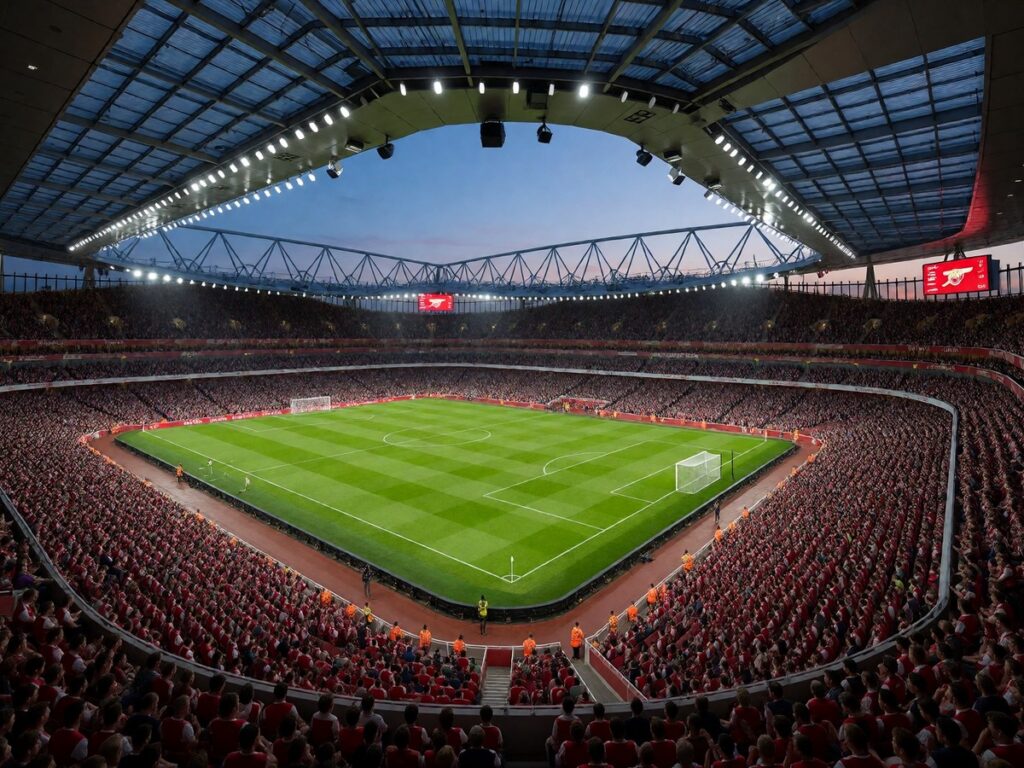
    Chelsea's Clearlake restructuring versus Arsenal's Emirates model (2)

    Clearlake restructuring and ownership shifts

    Clearlake Capital holds 61.5% of Chelsea. The firm is now negotiating to buy out co-owners Todd Boehly and Mark Walter. This deal values the club at approximately £5bn. Mark Walter seeks to raise funds to pay insurers following a US federal investigation into $21bn in loans. Chelsea reported a pre-tax loss of £262.4m for the year ending June 30 2025. This loss is the largest ever recorded by a Premier League club. It exceeds the £197.5m loss reported by Manchester City in 2010/11. The club paid agents £65m over the last 12 months. This is the highest amount paid to agents in the Premier League.

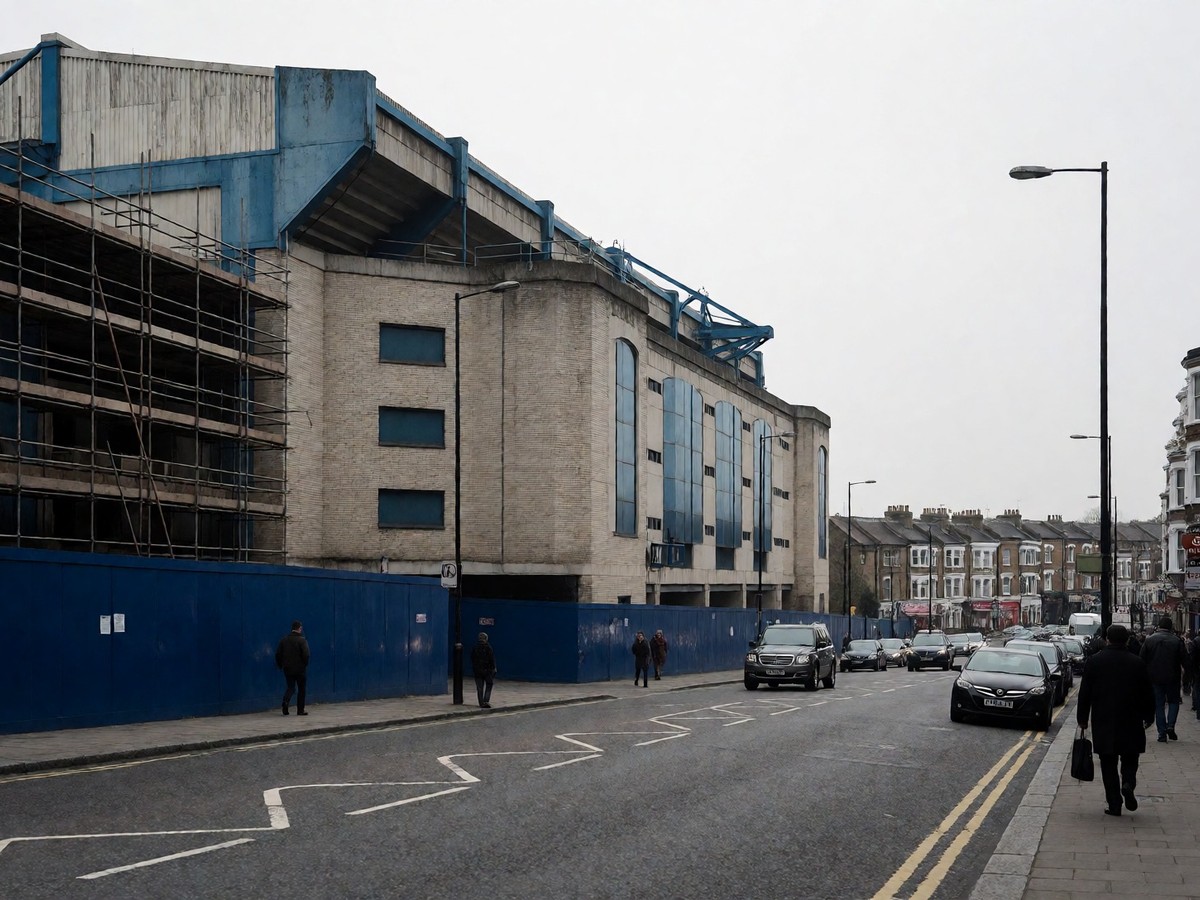
    The ownership transition intends to ease internal tensions. Clearlake already maintains day-to-day operational control. The buyout of Boehly and Walter should simplify decision making at Stamford Bridge. This restructuring also addresses disagreements regarding the redevelopment of the stadium. Behdad Eghbali has clashed with Boehly over whether the club should rebuild Stamford Bridge or move to a different site. Chelsea’s financial position remains precarious as the club manages its high cost base. The club also faces pressure from the Premier League’s profitability and sustainability rules.

    Player trading and contract length tactics

    Chelsea relies on player trading to manage its balance sheet. The club generated £314.4m from player sales in the summer of 2025. This included Noni Madueke for £52m, Kiernan Dewsbury-Hall for £29m, and Djorde Petrovic for £25m. The club also sold its women’s team to BlueCo Midco for almost £200m. The club’s decision to sign players on decade-long deals is a massive gamble that risks long-term squad imbalance. Chelsea uses long contracts to spread the cost of players over many years. Cole Palmer has a ten-year deal. Pedro Neto and Joao Felix both signed seven-year contracts. The Premier League capped the amortisation period at five years for new contracts in December 2023. This rule does not apply to players signed before that date.

    The club treats players as assets to be traded for profit. This strategy involves buying talent early and selling them when they gain value. For example, the club sold Angelo Gabriel to Al-Nassar for £19.4m. This sale resulted in a £9m accounting profit. The club has signed over 35 players across five transfer windows since 2022. The total outlay for these transfers reached nearly £1.2 billion. Only £440m was generated from player sales during that same period. This results in a net transfer spend exceeding £700m. The club’s squad includes approximately 42 players. Many players are currently out on loan to other clubs.

    Arsenal’s revenue growth and Emirates model

    Arsenal expects a record revenue of £793.3m for the 2025/26 season. This follows a £617m revenue in the 2023-24 season. The club won the Premier League title for the 2025-26 season. Arsenal also reached the Champions League final in 2025/26. The club’s broadcast revenue for the 2025/26 season is estimated at £325.4m. This includes £198.7m from Premier League distributions and £123.8m from UEFA distributions. Commercial revenue for the 2025/26 season is estimated at £305.7m. This follows a $280 million commercial revenue in 2024/25.

    The club operates on a self-sustaining business model. Managing director Vinai Venkatesham says all pitch investments come from revenues generated off the pitch. Arsenal’s commercial growth comes from Adidas contract increases and the Sobha Realty Training Centre naming rights deal. Matchday revenue from 25 games at the Emirates Stadium in 2024/25 reached $166 million. This was a 28% increase from the previous year. The club also increased ticket prices for men’s fixtures by an average of 3.7%. Arsenal’s revenue growth remains tied to its performance on the pitch.

    Financial Metric Chelsea (2025 Reported) Arsenal (2025/26 Estimated)
    Total Revenue £490.9m £793.3m
    Pre-tax Profit/Loss (£262.4m) Loss £31.0m Profit
    Annual Wage Bill £97m £396.8m
    Champions League Income £80.2m £123.8m

    Comparing wage bills and squad costs

    The gap between Chelsea and Arsenal in wage expenditure is large. Arsenal’s recurring wages for the 2025/26 season reach an estimated £396.8m. This includes a £40m increase for sporting-related wages and a £10m increase for non-sporting wages. Arsenal’s wage bill for the 2026-27 season is estimated at £154m. This places the club third in the Premier League for wage expenditure. Arsenal currently sits at the top of the Premier League table.

    Chelsea’s wage bill for the 2026-27 season is £97m. This puts the club seventh in the league for wage spending. The difference in spending levels shows two different approaches to squad management. Chelsea carries a high cost base through massive transfer outlays and long contracts. Arsenal grows its spending in line with its rising revenues. Other Premier League clubs show different patterns. Hull City has a wage bill of £52.9m but sits third in the league. Liverpool has the highest wage bill at £177m but sits seventh. Aston Villa has a £98m wage bill and sits 19th.

    The impact of European football

    European competition creates significant differences in club cash flow. Arsenal’s revenue grew because it returned to the Champions League. The club’s broadcast revenue increased because it reached the quarterfinals in 2023-24 and the final in 2025/26. Arsenal received a $101 million distribution from the competition in 23/24. This is much higher than the $28 million it received when it was in the Europa League.

    Chelsea faces a different reality. The club won the Club World Cup last year, which brought in £84.5m. However, the club will not play in Europe in 2026-27 because it finished 10th last season. This will reduce the club’s revenue for the next cycle. Without Champions League money, the club must find other ways to pay its expensive squad. The club is also subject to the squad cost ratio, which counts revenue against squad spending. High revenue from European prize money helps clubs meet this ratio. Chelsea’s high underlying costs remain a concern without that extra income.

    Ownership philosophies and stability

    The ownership structures of the two clubs dictate their financial flexibility. Chelsea is managed by a private equity consortium. Clearlake Capital and its partners aim to grow the club’s value to flip it for a profit. This approach leads to high spending and a focus on player trading. The owners treat players as assets to be developed and sold. This model creates volatility in the squad and the accounts.

    Arsenal is owned by Stan Kroenke. He bought out Alisher Usmanov for £550m to take full control of the club. Arsenal follows a model where the club grows through its own revenue. It does not rely on massive injections of cash from owners to cover operating losses. The club’s commercial and matchday growth funds its pursuit of trophies. You understand the logic: high spending requires high revenue to avoid UEFA sanctions. Arsenal builds its strength through internal growth, while Chelsea builds its strength through external investment and asset trading.

    Will Chelsea’s reliance on trading youth players eventually hit a ceiling that no amount of amortisation can fix?


  • US labor market cooling hits private sector and job openings

    US labor market cooling hits private sector and job openings

    ADP August Payroll Miss

    ADP reported 38,000 new private-sector jobs for August 2026. This figure missed the Dow Jones consensus estimate of 47,000. It also fell below the 48,000 estimate from other economists. This monthly total is the weakest hiring pace since January. The August figure is below the revised July total of 46,000. ADP previously reported July’s count at 44,000 before the upward revision. The August private-sector job growth of 38,000 positions fell well below the Dow Jones consensus estimate of 47,000 and also lagged behind the 48,000 jobs that many other economists expected for the month.

    The hiring slowdown affected various industries differently. Education and health services led the August hiring surge with 45,000 new positions. Leisure and hospitality added 16,000 jobs. Construction added 12,000 positions. Financial activities and other services each gained 6,000 jobs. Conversely, manufacturing shed 17,000 positions. Professional and business services lost 16,000 jobs. Natural resources and mining, as well as trade, transportation, and utilities, each lost 5,000 positions. Information services lost 4,000 positions.

    US labor market cooling hits private sector and job openings (2)

    Hiring Trends by Business Size and Region

    Establishment size played a massive role in the August employment outcome. Large businesses with 500 or more employees on their payroll contributed 34,000 of the August gains. Small businesses with fewer than 50 employees added 3,000 jobs. Medium establishments showed zero net change in hiring.

    Regional differences also defined the labor market landscape. The Northeast led the country with 38,000 new positions. The Mid-Atlantic added 26,000 jobs. West North Central saw a gain of 20,000 positions. South Atlantic added 14,000 jobs. New England added 12,000 positions. The East South Central region lost 2,000 jobs. West South Central lost 9,000 positions. The Mountain region lost 3,000 jobs. The Pacific region lost 5,000 jobs. East North Central lost 15,000 positions. The West declined by 8,000 positions, and the South added only 3,000 jobs.

    Wage Growth and Worker Mobility

    Wage growth showed signs of deceleration. For all private-sector workers, base pay rose 3.2% year over year. Gross pay climbed 4.7% for the entire workforce. Job-stayers saw base pay rise 3.0%. Their gross pay grew by 4.4%. Job-changers experienced faster growth, with base pay increasing 4.7% and gross pay rising 7.3%. You should note the difference between base pay and gross pay when evaluating these figures.

    Worker Category Base Pay Growth Gross Pay Growth
    All Workers 3.2% 4.7%
    Job-stayers 3.0% 4.4%
    Job-changers 4.7% 7.3%

    Liv Wang, a lead data scientist at ADP, noted that pay growth has decelerated for four years. Among lower-paid workers, base pay growth remains slower than it was before the pandemic.

    Sector Median Base Pay Change
    Construction 4.0%
    Manufacturing 3.5%
    Financial activities 3.5%
    Professional and business services 3.2%
    Education and health services 3.0%
    Leisure and hospitality 2.9%

    Analyzing JOLTS and Job Openings

    The July 2026 JOLTS data shows job openings reached 7.271 million. This rose from 7.182 million in June. This increase missed market expectations of 7.30 million.

    Month Job Openings (Thousands)
    June 2026 7,182
    July 2026 7,271

    Job openings grew in specific sectors during July. Durable goods manufacturing added 76,000 openings. Health care and social assistance added 54,000. Wholesale trade added 50,000. Construction added 28,000. Job openings fell in transportation, warehousing, and utilities by 67,000. Professional and business services saw a decline of 65,000 openings.

    The Relationship Between Hires and Quits

    Labor demand shows a downward trend. In May 2026, job openings reached 7.594 million. This exceeded the projected 7.280 million openings. In May, there were 7.307 million unemployed workers. This resulted in 1.04 available jobs per unemployed worker.

    The link between quits and layoffs differs from previous economic cycles. During the COVID pandemic, layoffs hit record highs while quits moved in the opposite direction. Since mid-2022, job openings, hires, and quits have all declined. Layoffs and discharges have risen gradually since that time. In July 2026, total hires stood at 5.1 million, and the quits rate fell to 1.9%. This indicates a market in which workers are less willing to leave their jobs voluntarily.

    Federal Reserve Policy and Political Pressure

    The Federal Open Market Committee meets September 15-16, 2026. Chairman Kevin Warsh faces pressure from President Donald Trump. Trump advocates for rate cuts to reduce the cost of borrowing and stimulate growth. He has even threatened to stop trading with countries that maintain trade deficits if the Fed hikes rates.

    Warsh stated that the Fed’s predominant focus remains prices. He suggested a rate hike might be the preferred strategy to combat inflation. Prediction markets show that slightly more than half of participants expect a 25-basis-point hike. Just over 45% believe the Fed will maintain current rates. No market participants expect a rate cut at this meeting.

    The Federal Reserve attempts to balance its dual mandate of price stability and maximum employment. Warsh recently stated at the Jackson Hole Economic Symposium that the responsibility for 65 months of sustained, elevated inflation sits squarely with the central bank. Will the Federal Reserve prioritize inflation or employment at the upcoming meeting?

    Inflation and Price Stability

    Inflation remains above the Federal Reserve’s 2% target. The Consumer Price Index rose 0.1% month over month in July. The year-over-year increase reached 3.4%. Core CPI increased 0.2% month over month and 2.5% year over year.

    The PCE price index, the Fed’s preferred measure, rose 0.2% in July. The year-over-year increase for core PCE stood at 3.3%. These figures show that inflation persists despite moderating trends. Higher long-term yields in the U.S. and other major markets continue to create pressure on the economy.

    The Labor Market Verdict

    The labor market is clearly cooling. ADP’s August report marks the slowest hiring pace since January. Job openings continue to trend downward toward pre-pandemic levels. The unemployment rate remains at 4.1%. The labor force participation rate fell to 61.4% in July. This decline reflected 264,000 people leaving the labor force. Private-sector hiring is weak, and job openings missed expectations.

  • A beginner’s guide to Fanatics Sportsbook’s 2026 NFL alt-line spreads

    A beginner’s guide to Fanatics Sportsbook’s 2026 NFL alt-line spreads

    The NFL reached multi-year commercial agreements with DraftKings, FanDuel, and Fanatics Betting and Gaming ahead of the 2026 season. This non-exclusive arrangement allows Fanatics to expand its existing relationship with the league, which previously included collectibles and official merchandise. Fanatics also becomes an Official Online Casino Marketing Partner of the NFL. All three partners, including Fanatics, access real-time play-by-play statistics, Next Gen Stats, and BetVision through Genius Sports. These agreements permit the use of NFL marks within the sports betting category and allow for presence at events like the Super Bowl and NFL Draft. Fanatics provides a strong platform for fans who prioritize rewards and mobile convenience.

    Moneyline and point spread mechanics

    Moneyline bets task a user with picking which team wins the game. If the New York Jets are -110 to beat the New England Patriots, a bettor must wager $110 to win $100 in profit. Positive odds like +120 for the LA Rams indicate the profit a bettor wins on a $100 wager. Point spread bets create a handicap to even the odds between teams of different strengths. If the Las Vegas Raiders play the Pittsburgh Steelers with a seven point handicap, the app displays "Raiders +7" and "Steelers -7." A bet on the Raiders wins if Las Vegas wins or loses by fewer than 7 points. If the Steelers win by exactly seven points, the result settles as a push.

    A beginner's guide to Fanatics Sportsbook's 2026 NFL alt-line spreads (2)

    The math for these spreads remains consistent across major platforms. If the Kansas City Chiefs are -5.5 on the spread at -110 and the Las Vegas Raiders are +5.5 on the spread at -110, the sportsbook takes a cut. If the Chiefs win by six points, they cover the spread. If the Chiefs win by five points or less or lose the game, they fail to cover the spread. If the Raiders lose by five points or less or win the game, they cover the spread. If both sides are priced at -110, bettors must risk $110 to win $100.

    Totals and player performance markets

    Totals bets focus on whether the combined score of both teams stays above or below a set line. For a Green Bay Packers game against the Jacksonville Jaguars with a 44.5 line, a bet on the over pays out if the total score reaches 45 or more. Bettors can also choose different lines to find a better fit for their predictions. These markets focus on the offensive and defensive flow rather than the final winner.

    Player props shift the focus to individual statistics during a game. Bettors can wager on quarterback passing yards, running back rushing yards, or receiver receptions. Markets also exist for defensive players regarding interceptions or sacks. Kickers also participate in these markets through field goal props. These options allow users to leverage knowledge about specific player matchups and defensive vulnerabilities. A bettor might look at a star quarterback facing a weak secondary to find value in passing yards.

    Understanding the vig and juice

    The vig, or juice, is the commission a sportsbook builds into every wager to ensure long-term profitability. Sportsbooks price odds slightly below fair value to create this margin. On traditional point spread and totals markets priced at -110 on both sides, the vig equals approximately 4.76%. This margin means a bettor must win 52.38% of bets to break even rather than 50%. Higher margins often exist in player props, specials, and same-game parlays.

    To minimize this impact, bettors shop for lines and use reduced-juice promotions. Fanatics provides reduced-juice markets for selected games, often pricing selections at -105 instead of -110. This lower commission requires a smaller win percentage to break even. If the LA Rams are -150 favorites against the LA Chargers, the Rams have a 60% implied win probability. The Chargers at +130 have a 43.5% implied win probability. This results in a 3.5% vig for the sportsbook.

    Metric Fanatics Sportsbook FanDuel BetMGM DraftKings
    Rating 4.7/5 4.8/5 4.8/5 4.7/5
    Welcome Bonus Up to $1,000 FanCash Up to $350 bonus bets Up to $1,500 bonus bets Bet $5, get $200
    Minimum Deposit $10 $5 $10 $5
    Payout Speed Within 24 hours Within 24 hours Within 24 hours Within 24 hours

    Parlays and same game parlays

    A parlay wager combines two or more individual bets into a single ticket. Every leg on a parlay ticket must win for the entire bet to cash. If even one selection loses, the whole parlay loses. Parlays offer the potential for larger payouts compared to placing bets individually. This high-risk, high-reward structure attracts bettors who want to turn a modest stake into a substantial return.

    Same-game parlays allow users to combine several bets from a single NFL game into one ticket. This can include a point spread bet, a rushing yards prop, and a totals bet. For a game between the Kansas City Chiefs and Las Vegas Raiders, a user might bet on a Chiefs win, Travis Kelce to get four or more receptions, and Patrick Mahomes to throw for over 200 yards. All three outcomes must pass for the bet to pay out. A teaser acts as a parlay of at least two legs where a user can alter the point spread or total by a fixed amount.

    Round-robin parlay betting provides another way to structure multiple selections. A customer can place a series of wagers from a larger group of selections. For example, a customer might place three parlays covering two selections from an overall group of three. If two of these selections win, the customer has at least one winning bet. Round-robin wagers cannot include selections from the same event.

    FanCash rewards and welcome bonuses

    Fanatics provides a unique rewards ecosystem through FanCash. New customers in several states, including Arizona, Colorado, and Illinois, can claim the welcome offer of up to $1,000 in FanCash by placing qualifying daily wagers over their first ten days of account activity. This promotion allows users to match their qualifying daily wager up to $100 per day for the first 10 days. Qualifying wagers must have minimum odds of -200.

    The FanCash rewards system integrates directly with the Fanatics merchandise site. Bettors earn FanCash on every wager they place. The percentage of rewards depends on the odds of the bet. Bettors earn between 1% and 3% on odds between -109 and +950. They earn between 3% and 6% on odds between +951 and +3200. They earn between 6% and 9% on odds between +3201 and +7000. Bets with odds between +7001 and +9000 earn between 9% and 10%.

    Other promotional options exist depending on the state. In Illinois and New York, users can receive 10x 100% profit boost tokens instantly. In Vermont, users can get up to $1,000 in FanCash. In most other eligible states, a promo code like FOX350 allows users to bet $20 and get $350 in bonus bets, paid as $50 per day for seven days. You should monitor your betting history within the app to track these rewards.

    App interface and banking limitations

    The Fanatics mobile app is the only way to access the sportsbook. It is available on the Apple App Store and Google Play Store. The app has a modern design. It uses an intuitive navigation bar. This bar gives immediate access to rewards and popular markets. The interface tracks betting history. It also shows tailored markets based on user preferences.

    Users can fund accounts using debit cards, PayPal, Venmo, Apple Pay, online banking, PaySafe Cash, or wire transfers. Most methods process instantly. PayPal and Venmo typically process withdrawals within a few hours. Wire transfers take two to three days. The app includes a withdrawal tracker to show the status of payouts in real time.

    The limited banking options and slow withdrawal speeds are frustrating when using Fanatics. The app lacks a desktop site, which prevents users from researching on a laptop. This mobile-only model is a disadvantage for those who prefer larger screens. Will the lack of a desktop site eventually hinder Fanatics as more veteran bettors return to computer-based platforms?

    Integrity and regulation

    The NFL integrity program uses collaboration with betting partners and monitoring through Genius Sports. Dedicated Integrity Representatives, who are often retired law enforcement officers, work with each club to protect the game. All partners must adhere to policies that prohibit wagers tied to officiating or injuries.

    Fanatics must follow state-level regulations. In Michigan, the Michigan Gaming Control Board oversees operations. In Colorado, Fanatics paid a $20,000 fine after a VIP host contacted a self-excluded gambler twice. This fine followed an agreement with the Colorado Limited Gaming Control Commission. The company also agreed to audit its self-exclusion list.

    All users must be at least 21 years old. Responsible gaming tools like deposit limits, wager limits, and time limits are available in the app. Self-exclusion options allow users to close their accounts for a minimum of one year. Fanatics protects user data with 256-bit SSL encryption and multi-factor authentication.

  • Newcastle’s youth gamble versus Villa’s profit machine

    Newcastle’s youth gamble versus Villa’s profit machine

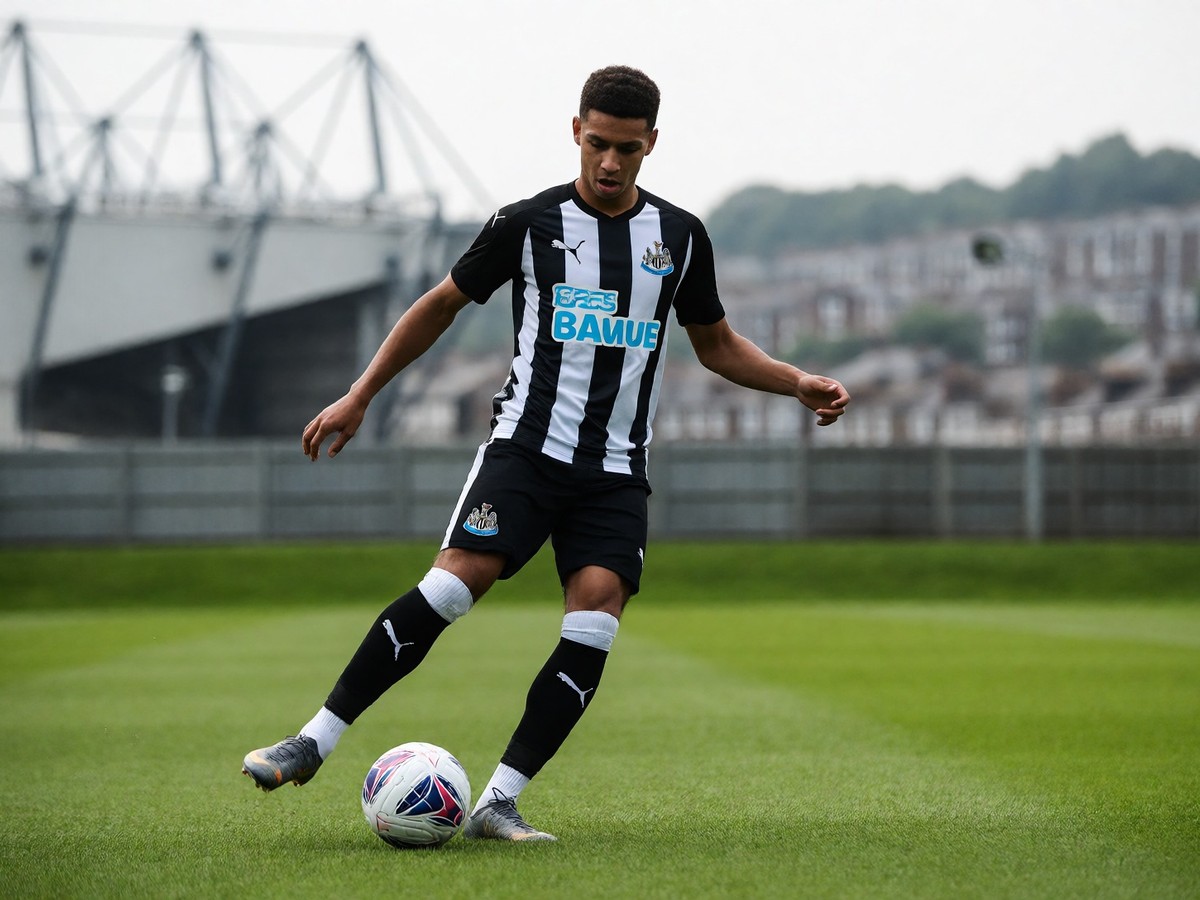
    Newcastle United faces a complex financial crossroads as their strategic approach to squad building shifts. The club’s recent transfer activity signals a departure from the massive spending seen immediately after the 2021 takeover. While the Public Investment Fund (PIF) spent £404.7m during the first three years of ownership, the club only brought in £50.4m from player sales. This imbalance forced the club to confront the reality of Profit and Sustainability Rules (PSR). They also entered a three-year settlement with UEFA to address breaches of financial sustainability regulations. Now, the club relies on player sales and a focus on younger talent to maintain stability.

    The Newcastle spending gap

    Newcastle’s revenue reached £335.3m in their most recent accounts, a massive increase from the £140.2m recorded during the final full campaign of Mike Ashley’s ownership. However, the club’s net spend across the period from 2021-22 to 2023-24 hit £408m. This spending placed them fifth in England. Last summer, the club saw a net spend of £141m on transfers, or an estimated £260m on a gross basis. This figure included the British record sale of Alexander Isak to Liverpool for £125m. Despite this significant income, the club still spent heavily on new arrivals.

    Newcastle's youth gamble versus Villa's profit machine (2)

    The numbers differ.

    The club’s focus on youth became evident this summer. They spent more than £100m on players aged 20 or younger. This includes goalkeeper Ewen Jaouen, midfielders Sean Steur and Aladji Bamba, and winger Bazoumana Toure. This investment follows a previous five-season period where the club spent approximately £75m on players aged 20 or younger. These arrivals lack the immediate experience of previous signings like Sven Botman. The club also faced a bruising 12th-place finish last season after missing out on European football.

    Villa’s academy profit engine

    Aston Villa uses player trading to fuel their pursuit of the Premier League elite. The club’s academy generated more than £200m through sales in the last five years. They sold Jack Grealish to Manchester City for over £100m in 2021. The club also sold Jaden Philogene and Cameron Archer to manage costs. These homegrown sales deliver pure profit for the club. This strategy helps them stay within the rules.

    The club’s ability to sell players remains their primary method for competing. This summer, Villa saw Morgan Rogers depart for Chelsea for a record £117m. This deal included an initial £8m fee and £7m in potential add-ons from Middlesbrough. They also sold Youri Tielemans to Manchester United for £35m. Other departures included Moussa Diaby to Al Ittihad for £50m and Jhon Duran to Al Nassr for £65m. They also moved Douglas Luiz to Juventus for £42.5m.

    Villa’s squad building involves selling players to comply with UEFA and Premier League rules. The club recently sold Jacob Ramsey to Newcastle United for £39m, a deal that provided pure profit because he is an academy product. They also sold Lucas Digne to Paris Saint-Germain for £8m, Lewis Dobbin to Southampton for £9m, and Donyell Malen to Roma for £23m. These sales help manage the squad cost constraints.

    New rules change the game

    You already know the basics of these rules. The Premier League replaced PSR with the Squad Cost Ratio (SCR) system. This rule allows clubs to spend a maximum of 85 per cent of their football revenue on squad costs. These costs include player wages, amortised transfers, and agents’ fees. Villa’s revenue reached £378m during their last Champions League campaign, which allowed for an SCR spend of £265m. Newcastle’s SCR budget ranks ninth in the league at £243m.

    The SCR system introduces new thresholds for compliance. A club stays within the green threshold if they spend up to 85 per cent of their revenue. If a club exceeds the red threshold, which is 30 per cent above the green threshold, they face a fixed six-point deduction. This penalty increases by one point for every £6.5m spent over the red threshold. Compliance involves assessments on March 1 and monitoring in October.

    The club must also manage its liquidity and working capital. The Premier League requires clubs to demonstrate they can manage required outgoings and unforeseen fluctuations. This includes a liquidity headroom test that accounts for a stress test of £85m. If a club fails to meet these requirements, the league can impose spending limits or demand a business plan.

    Infrastructure and revenue

    Newcastle faces a £1 billion requirement to fund a new city-centre stadium or a renovation of St James’ Park. The current ground holds 52,305 people. The club also identified a site in Woolsington near Newcastle Airport for a new training ground. Increasing matchday revenue through stadium expansion remains a priority for CEO David Hopkinson.

    Villa also focuses on infrastructure to drive revenue. The club expanded the North Stand at Villa Park this season. This expansion helps increase the matchday income needed to support their squad. Higher revenue allows for more flexibility under the SCR rules.

    Financial Metric Newcastle United Aston Villa
    Recent Revenue £335.3m £378m
    Recent Net Spend £105m £3m (5-year)
    Recent Major Sale £125m (Isak) £117m (Rogers)
    Squad Cost Ratio Limit £243m £265m

    A changing dugout

    The management situation at Newcastle changed abruptly this summer. Eddie Howe resigned following a 3-1 loss to West Ham. This departure occurred after the club sold Anthony Gordon to Barcelona for £69m and Sandro Tonali to Tottenham Hotspur for £92.5m. The club also faces uncertainty regarding captain Bruno Guimaraes, who expressed interest in joining Arsenal.

    Villa also saw significant changes in their leadership. The club saw the departure of Monchi, the president of football operations, who was a close confidant of Unai Emery. This happened as the club worked to maintain its squad following Champions League qualification. Villa also moved on from players like Leon Bailey to stay compliant.

    While Newcastle United players like Anthony Gordon and Sandro Tonali moved to Barcelona and Tottenham Hotspur respectively, Aston Villa saw Morgan Rogers depart for Chelsea for a record £117m to ensure they maintained their financial health under strict UEFA regulations this season.

    The youth gamble

    Newcastle’s current strategy relies on high-potential youngsters. They spent more than £100m on players aged 20 or younger this summer. This includes Ewen Jaouen, Sean Steur, Aladji Bamba, and Bazoumana Toure. The club expects these players to flourish with time. However, the club also faces the reality of a 12th-place finish.

    The club’s transfer approach shifted from buying established stars to developing talent. This move aims to navigate the constraints of the SCR. The club also needs to manage its UEFA settlement. They sold key players to ensure they had the ability to reinvest.

    Will the youth players deliver the promised returns?

    The club’s approach remains a point of debate. Some see it as a necessary evolution under new financial realities. Others worry it lacks the ambition promised in 2021. The club must balance this talent development with the need for immediate results.

    Villa’s tactical finance

    Villa’s finance model focuses on stability. They have invested over £500m in their squad since the owners bought the club in 2018. The club’s wage bill rose from £108m in 2019-20 to £273m in 2024-25. This growth includes bonuses for Champions League participation.

    The club continues to use its academy to stay competitive. They sold players like Jaden Philogene and Cameron Archer to stay within the rules. This method allows them to keep their core squad while meeting financial obligations. They also use loans to manage the squad. Villa signed Jadon Sancho and Harvey Elliott on loan to provide depth.

    They also made free transfers to bolster the team. They signed Victor Lindelof as a free agent. This allows them to focus their spending on more significant acquisitions. They also signed Evann Guessand from Nice.

    Villa excels instead.

    The club’s ability to remain competitive while selling talent shows a clear plan. They have achieved two Champions League qualifications and a Europa League title under Emery. They finished ahead of Tottenham Hotspur for the past four seasons. This success suggests their financial model works.

    Newcastle faces debt.

    The club’s net spend remains high. They spent £141m net in the summer of 2025. This follows a period where they spent £450m on players between the takeover and June 2024. The club’s reliance on selling stars like Alexander Isak and Anthony Gordon shows the pressure of the rules. They must continue to sell to keep spending.

  • Knicks frontcourt rotation faces pressure after key departures

    Knicks frontcourt rotation faces pressure after key departures

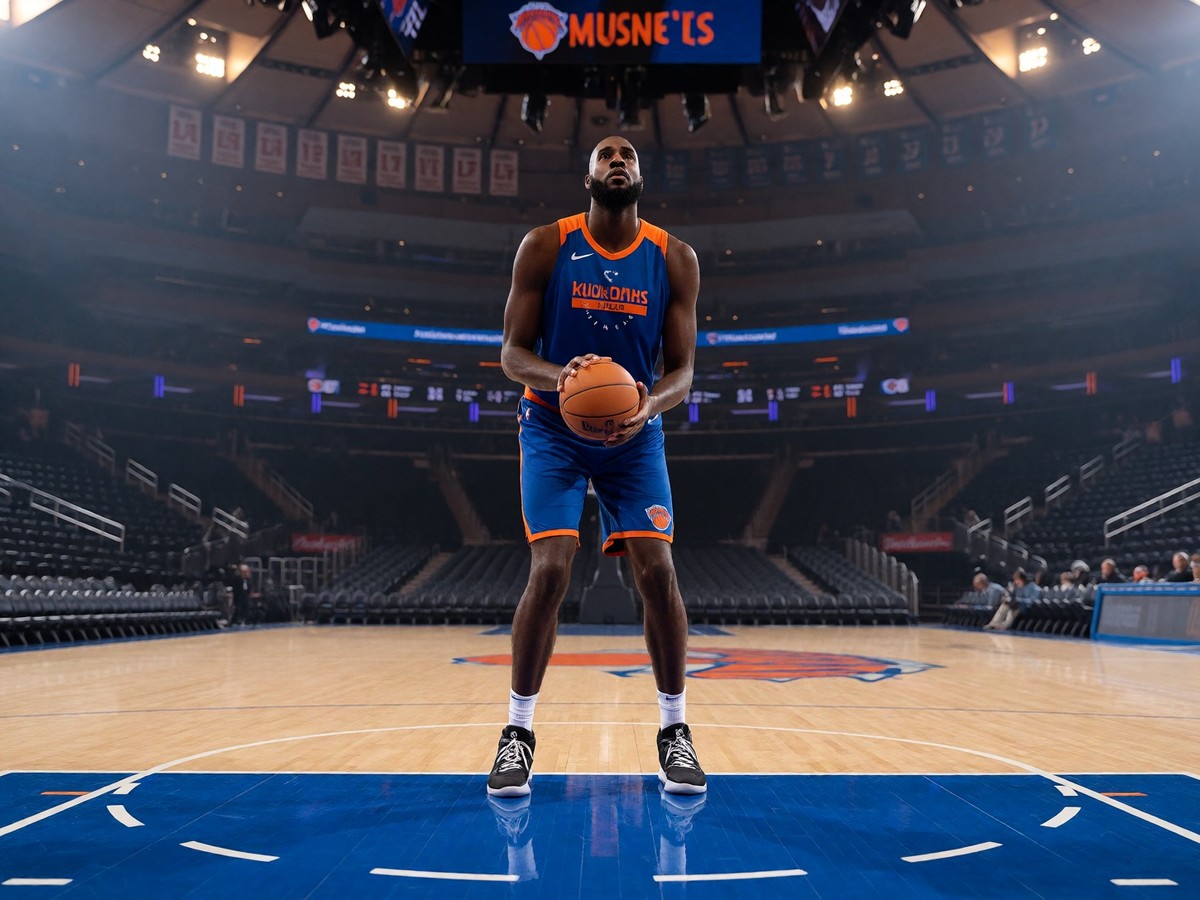
    Mitchell Robinson joined the Boston Celtics in free agency. This departure left the New York Knicks without their best interior defender. Robinson averaged 22.2 rebounds per 100 possessions during the 2025-26 regular season. He also recorded 10.6 offensive rebounds per 100 possessions. No other player in NBA history averaged more than 10 offensive boards per 100 possessions over a full season. Robinson shot 72.3 percent from the field last season. He finished his career with a 70.2 percent field goal percentage. He also averaged 2.1 blocks per 36 minutes. The frontcourt is thin.

    Isaiah Hartenstein moved to the Oklahoma City Thunder. He signed a three-year, 87 million dollar contract. This departure prompted the Knicks to trade Julius Randle, Donte DiVincenzo, and a first-round pick to the Minnesota Timberwolves for Karl-Anthony Towns. Hartenstein currently averages 12.6 points, 12.2 rebounds, and 3.9 assists for the Thunder. He also recorded 17 victories in 18 games since joining the Thunder. Hartenstein believes the move benefits both parties. He says Leon Rose makes the right adjustments. Hartenstein previously played for the Knicks, where he averaged 8.3 rebounds and 2.5 assists. He recovered from a broken hand in the preseason before joining the Thunder rotation.

    Knicks frontcourt rotation faces pressure after key departures (2)

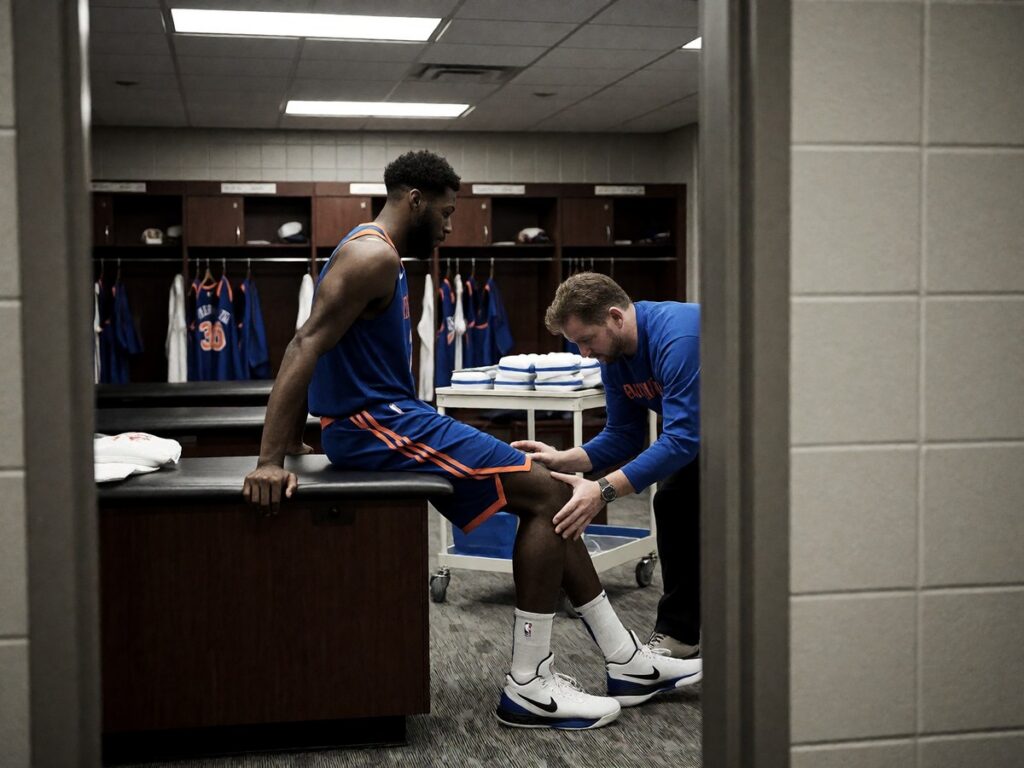
    Karl-Anthony Towns faces bilateral knee soreness. This condition downgraded him from questionable to doubtful against the Indiana Pacers. Towns averages 20.0 points, 11.9 rebounds, and 2.9 assists over 63 games. He shoots 49.3 percent from the field and 37.3 percent from three. Towns faces soreness. Josh Hart also manages soreness in his left knee. Hart averages 11.8 points, 7.8 rebounds, and 5.1 assists over 54 games. He shoots 49.5 percent from the field and 37.7 percent from three. Hart also manages aches in his ankles and back. If Hart misses more games, Jordan Clarkson likely absorbs those minutes. Clarkson scored 27 points on 10-of-15 shooting during his last appearance against Utah. Hart played for Villanova and earned a four-year, 80.9 million dollar contract extension. Towns earned six All-Star selections and the 2015 Rookie of the Year award.

    James Dolan requires the Knicks to stay below the second apron. This limit sits at approximately 220 million dollars. The Knicks owe 192 million dollars to their starting five alone. They also owe money to players like Deuce McBride, Tyler Kolek, Pacome Dadiet, Mohamed Diawara, and Jose Alvarado. Leon Rose must navigate the roster construction carefully because owner James Dolan refuses to exceed the second apron, which sits at approximately 220 million dollars, even though the team wants to repeat their title success. The team could use the contracts of Miles McBride and Pacome Dadiet to facilitate a trade. These two contracts combine for 6.94 million dollars. The situation remains uncertain.

    The Knicks look for a backup center. They recently missed out on Moussa Diabate after the Dallas Mavericks matched their offer sheet. Diabate averages 7.9 points and 8.7 rebounds. The team also looks at Nick Richards, a client of CAA. Richards averaged 5.8 points and 5.1 rebounds for the Suns and Bulls. Other targets include Yves Missi and Mouhamadou Gueye. The Knicks previously tried to trade for Missi in a package with Jose Alvarado. Thomas Sorber could provide upside. He sits behind Andre Drummond for Oklahoma City. He has yet to make an NBA debut due to injuries. Luka Garza could serve as a reliable backup. He shoots three-pointers. The Celtics might trade him because they added Mitchell Robinson and Neemias Queta. They also drafted Chris Cenac Jr. in the first round of the 2026 draft. Can the team survive without a reliable second big man?

    The team needs to increase Miles McBride’s minutes alongside Jalen Brunson and Towns. McBride’s presence helps create space. The pairing of McBride and Towns produced a +9.6 net rating last season. McBride’s defense helps Jalen Brunson. Jose Alvarado also benefits from playing with Towns. The Alvarado and Towns pairing produced a +18.2 net rating. Alvarado works to get the ball to Towns early. You already know the Knicks’ championship run relied on frontcourt grit.

    Player PPG RPG APG
    Karl-Anthony Towns 20.0 11.9 2.9
    Josh Hart 11.8 7.8 5.1
    Moussa Diabate 7.9 8.7 1.9
    Luka Garza 8.1 4.1 1.0
    Nick Richards 5.8 5.1 0.7
    Isaiah Hartenstein 12.6 12.2 3.9

    The Knicks rely on Andre Drummond and Ariel Hukporti for center depth. Drummond joined on a minimum contract. Hukporti is a second-year project. Trey Jemison III also received minutes during the season. The roster lacks depth. Mitchell Robinson struggled with injuries throughout his career. He played only 60 games in the 2025-26 season. He played 48 games in the prior two seasons combined. He converted just 17 of 58 free throw attempts during the postseason. This 29 percent accuracy from the line hindered the offense.

    The Knicks seek to defend their championship. Losing Mitchell Robinson left a hole in the rotation. The team also faces injury concerns with Towns and Hart. The frontcourt rotation remains a struggle for Mike Brown.

    Player FG% 3PT%
    Karl-Anthony Towns 49.3% 37.3%
    Josh Hart 49.5% 37.7%
    Moussa Diabate N/A N/A
    Luka Garza N/A N/A
    Nick Richards 51.2% N/A
    Isaiah Hartenstein 62.2% 0.0%
  • Belgian Grand Prix results and the McLaren championship battle

    Belgian Grand Prix results and the McLaren championship battle

    Kimi Antonelli won the 2026 Belgian Grand Prix at Spa-Francorchamps. He secured his sixth victory of the season after a tight battle with Charles Leclerc. Max Verstappen finished in third place. The race lasted 44 laps. Antonelli took the lead from Verstappen at Les Combes and maintained it against Leclerc. Leclerc finished just 1.952 seconds behind the Mercedes driver.

    The race results placed Oscar Piastri in fifth position. He finished 18.988 seconds behind the winner. Lando Norris finished in seventh place. He recovered from a 13th place start to reach the points.

    Belgian Grand Prix results and the McLaren championship battle (2)

    The Belgian Grand Prix battle

    The race at Spa-Francorchamps provided significant drama. George Russell retired on the opening lap after contact with Lewis Hamilton. This incident caused a Safety Car. Hamilton later faced a five-second penalty for the same collision. He eventually recovered to finish fourth.

    While the majority of the grid opted for the medium compound, Lando Norris chose to start the Belgian Grand Prix on the hard tyres, joined by Sergio Perez, Lance Stroll, Isack Hadjar, Fernando Alonso, and Ollie Bearman.

    The field restarted on Lap 5. Hamilton attacked Piastri at La Source. Piastri regained the position shortly after. The battle continued at Les Combes where Leclerc and Piastri made contact. A piece of carbon fibre fell onto the circuit from the McLaren. Leclerc faced no repercussions for the contact.

    Piastri finished fifth.

    Lando Norris recovery from grid penalty

    Lando Norris started the race from 13th on the grid. He took this position because of a grid penalty for an engine change. He used the durability of his hard tyres to climb into the top ten. He overtook Lindblad on Lap 6 to move into sixth.

    You already know the intense pressure of a Belgian race weekend.

    Norris moved into fourth place by Lap 20. He faced a pit stop on Lap 30. He rejoined in eighth place after the stop. He then fought to overtake Gabriel Bortoleto. Norris finished seventh. He took six championship points for the result. He was 7 seconds behind his teammate Piastri at one point.

    Will the Mercedes momentum continue into the Italian Grand Prix at Monza?

    The constructors’ championship standings

    The 2026 constructors’ championship remains a fight between the top three teams. Mercedes leads the standings with 425 points. Ferrari holds second place with 338 points. McLaren sits in third place with 263 points. Red Bull follows in fourth with 186 points.

    Racing Bulls has 66 points. Alpine has 63 points. Haas has 21 points. Audi holds 16 points. Williams has 11 points. Aston Martin has 3 points. Cadillac has 0 points.

    The points gap between Mercedes and McLaren is 162 points. The gap between Ferrari and McLaren is 75 points.

    Technical divergence in the MCL40

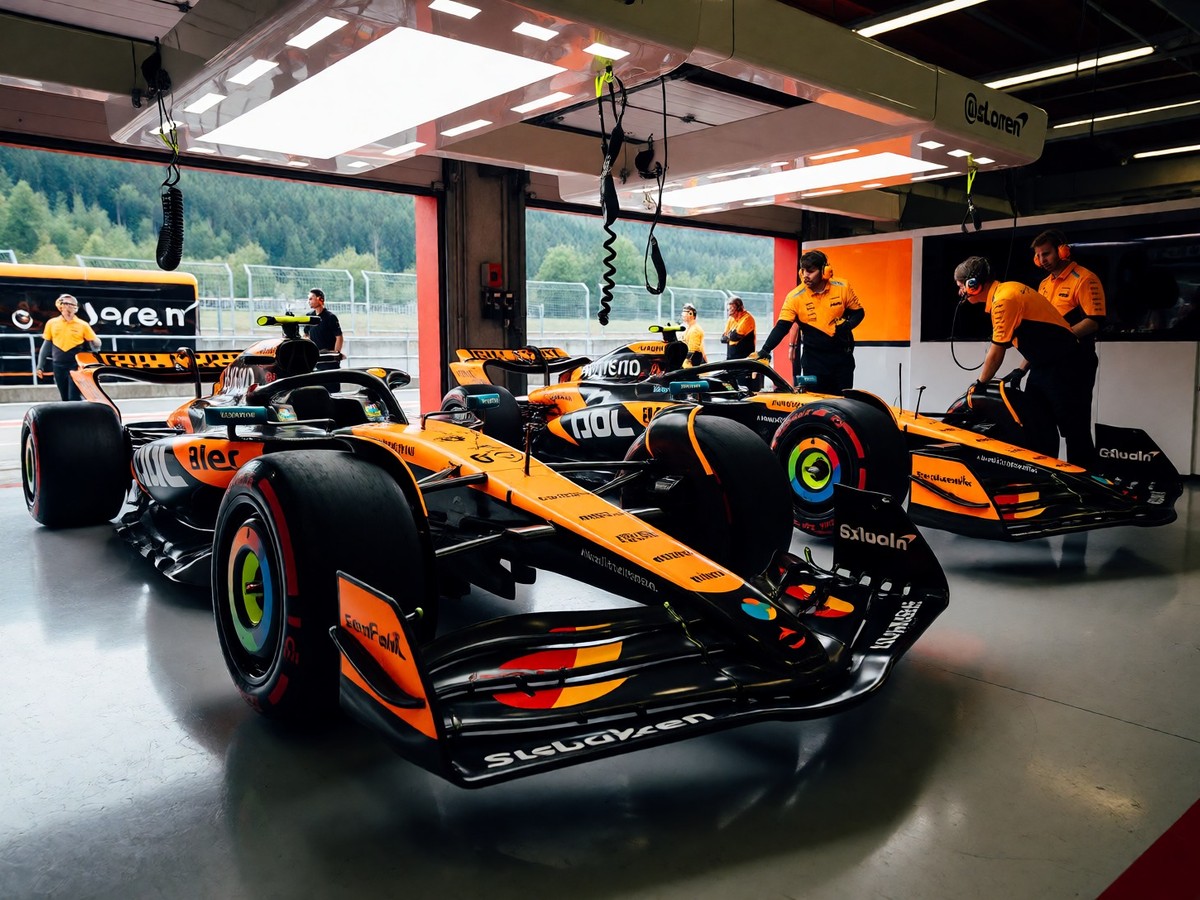
    The McLaren MCL40 features the shortest permitted wheelbase allowed by the regulations. This design choice helped the team find weight savings. It reduced the total floor area available for adding strakes and slots to condition airflow.

    Oscar Piastri struggles on low-grip tracks. His driving style generates spikes in the surface temperature of the rear tyres when they slide. His linear movements on the brake and throttle increase rear-end slide. These slides force him to use more electrical power to regain speed. This reduces his state of charge.

    Lando Norris shows more adaptability. His style of overlapping the brake and throttle at a shallower trajectory helps the front wheels assist rear rotation. He maintains a better feel for lateral grip.

    Piastri finished fifth.

    The penalty point system and driver discipline

    The FIA uses a penalty point system to monitor driver behavior. Points remain on a driver’s Super License for exactly 12 months. A driver faces a one-race suspension after collecting 12 points.

    Oliver Bearman has 4 penalty points. His points expire on September 7, 2026. Alex Albon has 3 points. His points expire on September 21, 2026. Franco Colapinto has 3 points. His points expire on June 14, 2027. Lance Stroll has 3 points. His points expire on October 18, 2026.

    Kimi Antonelli has 2 points. His points expire on September 7, 2026. Oscar Piastri has 2 points. His points expire on November 9, 2026.

    Lando Norris has 0 penalty points. Max Verstappen has 0 penalty points.

    Leadership and culture at McLaren

    Andrea Stella leads the McLaren team. He took over as team principal in 2023. He previously worked with Michael Schumacher, Kimi Raikkonen, and Fernando Alonso. He transformed the team from low-midfield runners in early 2023 to constructors’ world champions in 2025.

    The drivers follow his culture of equanimity. Piastri said the team wants to protect the people around them. He noted that putting oneself second is easy to do for the sake of the team. Norris agreed with this sentiment.

    The team faces pressure as the season reaches its end. McLaren has not won a drivers’ title since 2008. Red Bull and Verstappen are experienced in high-pressure title battles.

    The championship remains open.

    The drivers’ championship race

    The drivers’ championship standings show a battle at the top. Kimi Antonelli leads the championship with 242 points. Lewis Hamilton is second with 183 points. George Russell is also tied with 183 points.

    Lando Norris is fourth with 159 points. Charles Leclerc is fifth with 155 points. Max Verstappen is sixth with 112 points. Oscar Piastri is seventh with 104 points.

    Piastri has nine grand prix wins this season. He has six pole positions and nine fastest laps. Norris has won at the Hungaroring and Zandvoort. He also won the Miami sprint.

    The points gap between Antonelli and Norris is 83 points.

  • The performance gap in the Aston Martin and Honda alliance

    The performance gap in the Aston Martin and Honda alliance

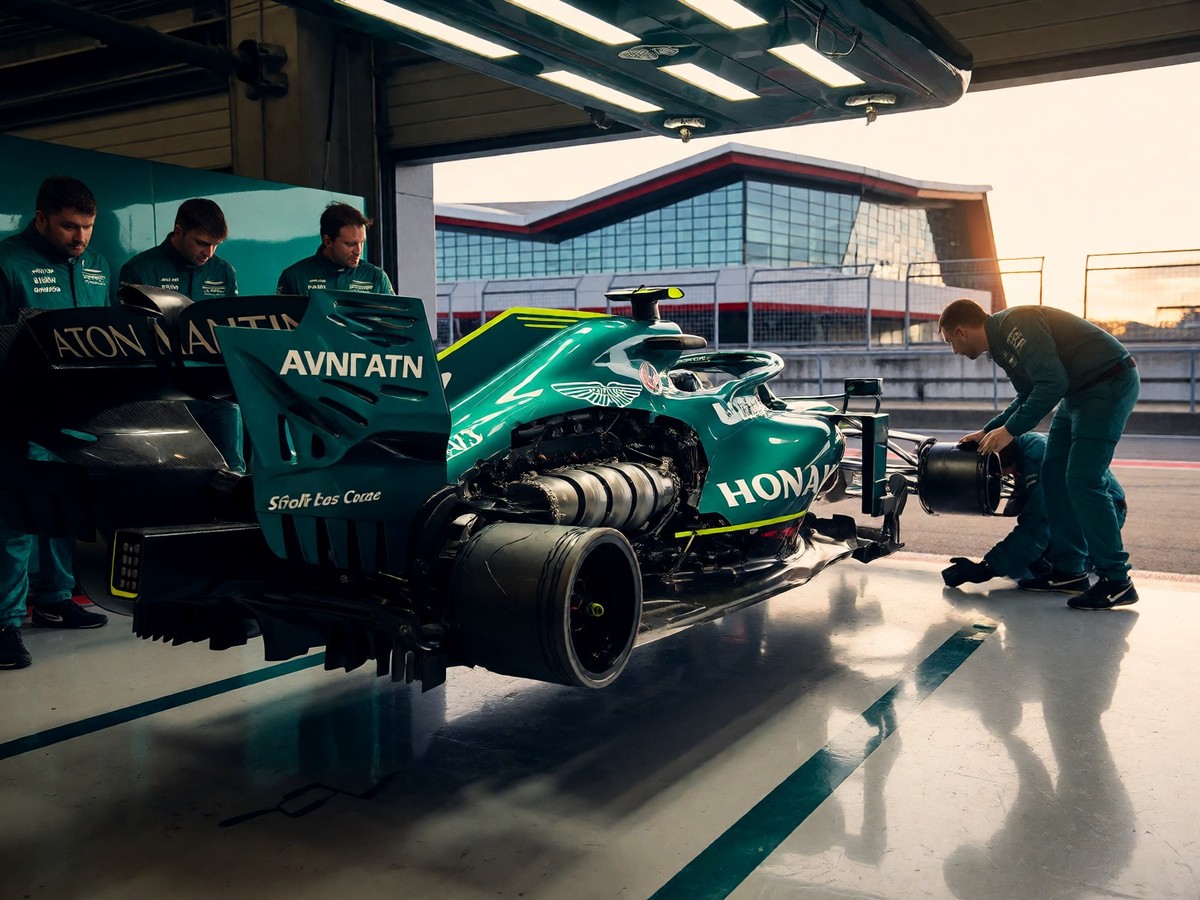
    The Honda power unit causes a 1.5 second per lap deficit for the Aston Martin AMR26. This performance gap prevents the team from using the aerodynamic advantages of the chassis designed by Adrian Newey. Severe vibrations from the engine cause physical issues for the drivers. Lance Stroll manages only 15 laps before the vibrations become problematic. Fernando Alonso can complete roughly 25 laps before experiencing similar issues. These vibrations also cause rapid battery wear and broken components. The team spends track time fixing reliability issues instead of improving speed.

    The AMR26 remains unreliable.

    The performance gap in the Aston Martin and Honda alliance (2)

    The technical leadership at Silverstone

    Lawrence Stroll invests heavily in the team infrastructure. He built the AMR Technology Centre and a new wind tunnel at Silverstone. Andy Cowell became the Chief Executive Officer on 1 October 2025. Enrico Cardile serves as the Chief Technical Officer. Adrian Newey works as the Managing Technical Partner. He earns a salary that reaches £30m with bonuses. Newey began his role on March 1 2025. He has 13 drivers’ championships and 12 constructors’ titles. Newey worked with the teams at Williams, McLaren, and Red Bull. He helped win championships in 1992, 1993, 1994, 1996, 1997, 1998, 1999, 2010, 2011, 2012, 2013, 2021, 2022, and 2023. His arrival in 2025 followed a negotiation with Red Bull to leave his role as chief technical officer. Dan Fallows serves as the technical director. He worked under Newey at Red Bull from 2006 until 2021.

    Technical specifications for the 2026 season

    The 2026 regulations mandate a 50/50 split between electrical power and the internal combustion engine. The removal of the MGU-H forces engineers to manage energy through the MGU-K. Teams must use 100% sustainable fuel.

    Feature 2026 Regulation Detail
    Power Split 50% Electrical / 50% ICE
    Fuel Type 100% sustainable fuel
    MGU-H Status Removed from regulations
    2026 Cost Cap $215 million
    Newey Salary £20m to £30m
    Alonso Contract Until the end of 2026

    The complex transition to these rules creates difficulty for manufacturers. Honda is working on an engine upgrade for Zandvoort to improve the internal combustion engine.

    Physical limits for Alonso and Stroll

    Fernando Alonso is 45 years old. He has not won a race since 2013. His contract with Aston Martin lasts until the end of 2026. Lance Stroll faces pressure to provide feedback on a fragile car. Stroll finished third at the Azerbaijan Grand Prix as a rookie. He was the youngest driver to finish on a podium at age 18. Stroll drove for Williams in 2017 and Racing Point from 2019 to 2020. He scored his first points in Montreal and had a podium in Italy. You know the physical toll of a heavy car. Stroll also had collisions with Sebastian Vettel and Carlos Sainz Jr. in his earlier career.

    Honda engineering and historical context

    Shintaro Orihara, Honda’s trackside general manager and chief engineer, said the team realized the scale of performance and reliability problems in January. The team found performance was inconsistent. The removal of the MGU-H makes maintaining boost pressure difficult. Honda re-entered the sport in 2026. They previously supplied McLaren from 2015 to 2021. They also supplied Toro Rosso in 2018. Red Bull used Honda as a works partner from 2019. Honda left F1 at the end of 2021. The company noted its interests as a car manufacturer were better represented elsewhere.

    Honda struggles.

    The engine vibrations remain a problem. The team is trying to fix the issue through the chassis. Honda has a deep history with hybrid technology. They want to use F1 to test sustainable energy systems for everyday vehicles.

    Financial compliance and Stroll’s investment

    Lawrence Stroll spends more than his original budget. He spent money on engineers and facilities. The F1 cost cap for 2026 is $215m. Aston Martin had a procedural breach in 2024. This breach involved an administrative delay regarding an auditor signature. The FIA confirmed the team stayed within the $135m limit for 2024. The FIA maintains flexibility to judge breaches individually, rather than using a one-size-fits-all approach when they evaluate if a team exceeded the spending limits set for the season. Driver salaries and the pay for the three highest-earning staff members are not part of the cap.

    Manufacturing changes at Silverstone

    Aston Martin is building its own gearbox. They no longer buy this component from Mercedes. This change follows the end of their exclusive engine and component supply deal. The team brings all parts for manufacture in-house at the Silverstone facility. This facility is now fully operational. The team works to integrate the Honda power unit with the chassis.

    The roadmap to recovery

    The team must stabilize the power unit to use the Newey chassis. Improving the internal combustion engine is the priority for the Zandvoort upgrade. The gap to the front-runners remains large. The team spent its development budget on reliability fixes. Will the Zandvoort upgrade fix the ICE deficit?

    The partnership is a long-term project.

  • Fenerbahce’s Istanbul rebuilding strategy challenges Real Madrid

    Fenerbahce’s Istanbul rebuilding strategy challenges Real Madrid

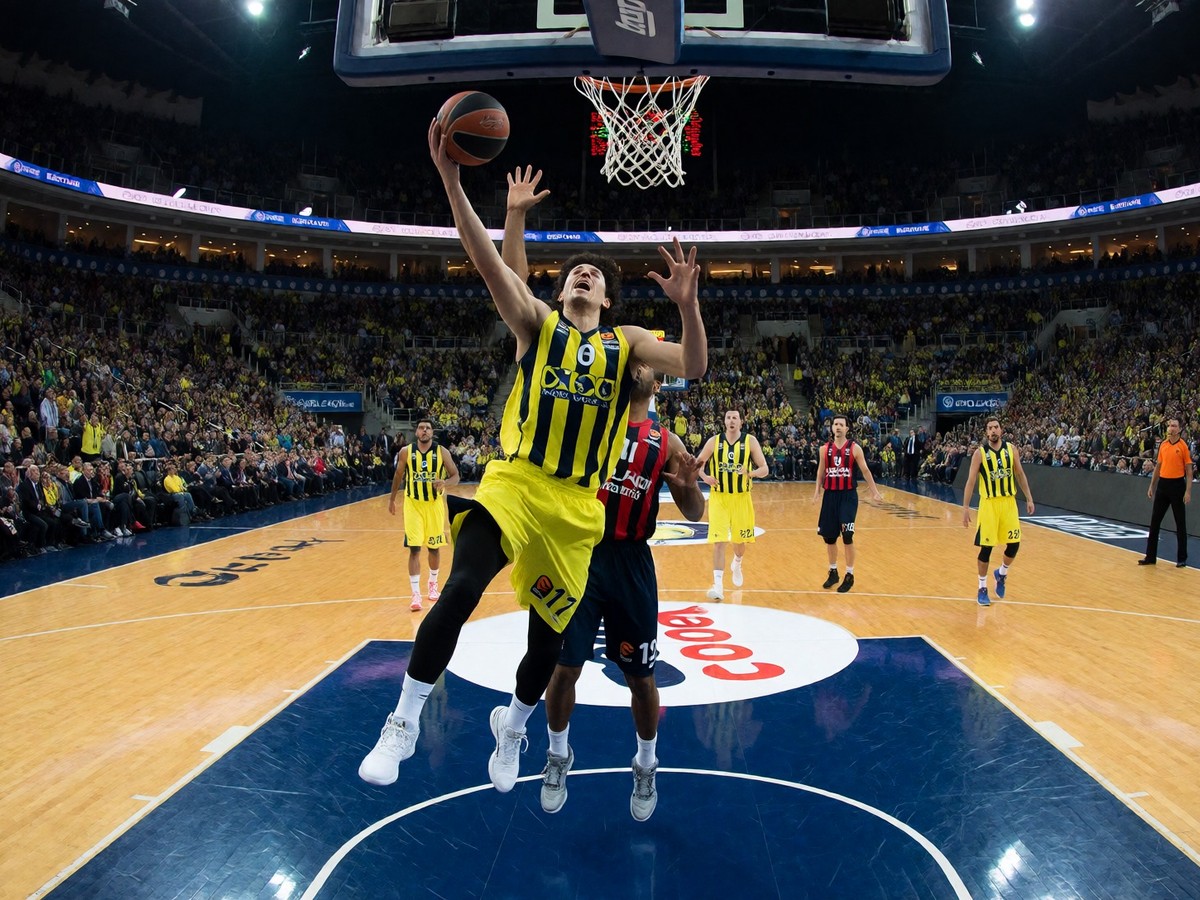
    Fenerbahce’s aggressive reconstruction of their roster directly challenges the hierarchy of European basketball. The Turkish club finalized their 2026-27 roster after a summer that included nine new arrivals and 11 departures. This massive turnover aims to capitalize on the club’s recent success, including a domestic Triple Crown in Turkiye and a EuroLeague Final Four appearance. Fenerbahce’s investment in new talent positions them to contest the EuroLeague title against heavyweights like Real Madrid.

    The financial turnaround in Istanbul

    Fenerbahce’s men’s basketball department finished the 2025-26 season with a 3.77 million euro profit. This result exceeded the initial expectations of a 5.72 million euro loss. The club generated 39.92 million euros in revenue during that campaign, which surpassed the originally projected 28.81 million euros. Expenses for the season reached 36.15 million euros, which is higher than the initial budget of 34.53 million euros. Fenerbahce turned a projected loss of 5.72 million euros into a 3.77 million euro profit after generating 39.92 million euros in revenue during the 2025-26 season, exceeding their original budget projection by 9.49 million euros.

    Fenerbahce's Istanbul rebuilding strategy challenges Real Madrid (2)

    Money matters.

    The club expects to keep its player salary budget near 17 million euros for the 2026-27 season. This spending level remains consistent with what the Turkish champions spent during the previous campaign. The massive revenue increase allowed the club to fund a roster overhaul despite the high costs of acquiring top-tier talent. You know the intensity of the Istanbul rivalry.

    The massive roster overhaul

    Fenerbahce reshaped almost the entire squad to maintain its competitiveness. The club added nine new players to the roster: Shane Larkin, Braxton Key, Shavon Shields, Will Clyburn, Trent Forrest, Ignas Sargiunas, Sertac Sanli, Marcus Bingham Jr., and Johnny Juzang. These signings follow the departure of 11 players from the previous year. The players who left include Arturs Zagars, Devon Hall, Khem Birch, Nando De Colo, Jilson Bango, Brandon Boston, Armando Bacot, Bonzie Colson, Metecan Birsen, Tarik Biberovic, and Mikael Jantunen.

    The departure of Tarik Biberovic caused significant disruption to the summer strategy. The Dallas Mavericks convinced the Turkish international to move to the NBA. This forced Fenerbahce to pursue both Will Clyburn and Johnny Juzang to fill the vacancy. Only six players from the 2025-26 squad remained, such as Wade Baldwin, Nicolo Melli, and captain Melih Mahmutoglu. The club retained Baldwin and Melli with new multi-year deals. Talen Horton-Tucker also chose to stay with the club despite having an NBA exit clause.

    The roster underwent massive changes this summer. Nine new players joined the squad. Eleven players left the club. This includes the departure of Tarik Biberovic to the Dallas Mavericks. The club aims for the EuroLeague title through this rebuilding process.

    Real Madrid’s talent management

    Real Madrid focuses on different strategies to maintain its standing. The Spanish club signed 18-year-old Turkish playmaker Arda Guler from Fenerbahce. The reported fee for Guler is approximately 20 million euros. Guler, who was called the Turkish Messi, will join Jude Bellingham, Vinicius Jr, Rodrygo, Aurelien Tchouameni, and Eduardo Camavinga. Last season, Guler scored four goals and provided four assists.

    Madrid faces internal pressure regarding its roster usage. Former Arsenal defender Matthew Upson stated that the team is not at the level supporters expect. The club lost its European crown following an exit to Arsenal and faces a fight to defend its La Liga title. Pundits have noted that second tier talent, such as Arda Guler and Brahim Diaz, have received limited playing time. The core group of players now appears physically and mentally exhausted.

    Madrid seeks stability.

    Carlo Ancelotti, who is 65, has a contract that expires in 2026. The club hierarchy has discussed his future, and Xabi Alonso is linked to a return to the team. Ancelotti has won 20 major trophies, including five Champions Leagues. He told reporters he could discuss his future when his contract expires.

    The Istanbul showdown

    Fenerbahce and Real Madrid met in Istanbul in a contest that showed the gap between the two programs. Real Madrid won the match with a final score of 74-69. Fenerbahce took an early lead in the second quarter, leading 29-21 after 13 minutes. Boston Jr. contributed to this aggressive push by the Turkish side.

    Madrid responded quickly. The Spanish side regained defensive intensity and controlled the rebounds to pull ahead. Edy Tavares dominated the paint, scoring 10 points in the first half. Campazzo also contributed two three-pointers to help Madrid take a 40-34 lead into halftime.

    The game became more physical after the halftime break. Fenerbahce used a 12-3 run led by Boston Jr. to take a 58-54 lead by the end of the third quarter. Lyles took over the offensive duties for Madrid later in the game. He scored 8 consecutive points to tie the game. He then scored 5 points during a 10-1 run to secure the victory.

    They won.

    The NBA expansion threat

    The EuroLeague faces external pressure from the NBA’s plans for a European presence. The NBA is targeting October 2027 to launch a new 16-team league. This model includes 12 permanent franchises and four teams that qualify through merit. NBA Europe managing director George Aivazoglou listed target cities including Athens, Istanbul, Paris, Lyon, Munich, Berlin, Rome, Milan, Madrid, Barcelona, London, and Manchester.

    Fenerbahce, Real Madrid, and ASVEL are three EuroLeague shareholder clubs that have not renewed their 10-year licenses. This situation creates tension within the existing league structure. EuroLeague CEO Paulius Motiejunas expressed confidence that all 13 shareholder clubs will remain. He dismissed the NBA plans as a broken record, noting that the NBA has been announcing plans for a year without concrete movement.

    The NBA plans to involve cities like London and Manchester. Adam Silver, the NBA Commissioner, described talks with Spanish clubs as being in the category of fact finding. He noted that any new investment will require patience. The NBA aims to capitalize on the fact that basketball is the second largest sport in Europe after soccer.

    Will the NBA project ever move past the announcement phase?

    EuroLeague’s fight for stability

    EuroLeague CEO Paulius Motiejunas says the organization knows how Europe functions. The league consists of 20 teams, including 13 shareholder clubs that cannot be relegated. Some clubs qualify through domestic leagues or through invitation. The NBA and Fiba are working together on the new 16-team model.

    The financial landscape in European basketball is difficult. Many clubs struggle with debt and rely on wealthy owners. EuroLeague has implemented spending restrictions to promote financial sustainability. The league also recently took its Final Four championship to Abu Dhabi to increase revenue.

    Madrid and Fenerbahce remain central to these discussions. Real Madrid favors the NBA project, according to Diario AS. The EuroLeague sent a letter to the NBA warning of legal action if talks with EuroLeague shareholders continue.

    Roster and Financial Comparison

    Category Fenerbahce Beko Istanbul Real Madrid
    2026-27 New Arrivals 9 Not specified
    2026-27 Departures 11 7 (including Lyles, Hezonja)
    Player Salary Budget ~€17 million Not specified
    2025-26 Basketball Profit €3.77 million Not specified
    2025-26 Basketball Revenue €39.92 million Not specified
    2025-26 Basketball Expenses €36.15 million Not specified
    Key Recent Signing Shane Larkin Arda Guler

    Fenerbahce’s financial health allows for the kind of aggressive rebuilding seen this summer. The club turned an expected loss into a significant profit, providing the liquidity needed to sign players like Will Clyburn and Johnny Juzang. Real Madrid focuses on integrating young players like Arda Guler, who arrived from Fenerbahce for a fee near 20 million euros.

    The mismatch in roster continuity is visible. Fenerbahce replaced most of its roster to chase a title. Real Madrid relies on a core group that faces physical exhaustion and managerial uncertainty.

    The impact of the Istanbul signings

    The mass movement of players in Istanbul changes the power balance in the EuroLeague. Fenerbahce’s decision to sign nine new players, including Shane Larkin and Shavon Shields, shows a direct attempt to overtake the established order. The club’s ability to turn a projected 5.72 million euro loss into a 3.77 million euro profit provides the foundation for this spending.

    Real Madrid’s reliance on a core group of players, while they manage the transition of talent like Arda Guler, creates a vulnerability. The heavy workload on their main players makes them susceptible to teams with fresh, high-level talent. Fenerbahce’s signings, such as Trent Forrest and Will Clyburn, provide the depth needed to challenge Madrid in a long season.

    The competition for the EuroLeague title now depends on whether Fenerbahce’s heavy investment can overcome Real Madrid’s experienced core. The financial success of the Turkish club suggests they have the resources to sustain this push. The NBA’s interest in Istanbul and other European cities only adds pressure to the existing clubs to maintain their dominance.

  • Coinbase Q2 2026 revenue disparity versus Kraken derivatives gains

    Coinbase Q2 2026 revenue disparity versus Kraken derivatives gains

    Coinbase reported $1.22 billion in net revenue for the second quarter of 2026. This figure fell 14% below the first quarter results. The company also missed the $1.29 billion revenue forecast from Wall Street analysts. Transaction revenue reached $599 million, which stayed below the $636 million forecast. Coinbase reported a net loss of $359.5 million.

    Coinbase missed its target.

    Coinbase Q2 2026 revenue disparity versus Kraken derivatives gains (2)

    Revenue streams shifted away from Bitcoin. Non-Bitcoin spot trading revenue made up 88% of net revenue in Q2 2026. This compares to 45% in Q2 2020. Bitcoin-related transactions accounted for only 12% of total company revenue. Subscription and services revenue grew to $555 million. This revenue segment reached 48% of net revenue. Paid Coinbase One subscribers exceeded 1 million people. You likely already tracked the volatility of these assets.

    Bitcoin Revenue Decoupling

    The company successfully decoupled its revenue from Bitcoin trading fees. While Bitcoin price fluctuations previously dictated company success, the current model relies on a broader set of assets. Trading volume market share for Coinbase reached 10.3% in Q2 2026. This rose from 9.1% in Q1 2026 and marked the third straight quarter of market share gains. Although Coinbase saw its transaction revenue drop to $599 million during the second quarter, the company still managed to grow its crypto trading volume market share to an all-time high of 10.3%.

    Coinbase lost money.

    Base and AI Infrastructure

    Stablecoin volume on the Base chain increased 7x year-over-year. Coinbase holds $20 billion in USDC, which accounts for more than 30% of all USDC in circulation as of the end of the quarter. Agentic finance showed high usage of these assets. More than 90% of agentic stablecoin transaction volume occurred on Base. 99% of all onchain agentic commerce used USDC. 97% of onchain agentic transactions used the x402 protocol in Q2 2026.

    The company also improved engineering efficiency. Pull requests per engineer grew 2.2x year-over-year. Integration test coverage across core services grew 2.5x in the last 6 months. AI adoption helps drive these productivity gains.

    Prediction Market Expansion

    Prediction market contracts and revenue grew 106% quarter-over-quarter. This revenue exceeded $100 million in annualized terms. A new crypto binaries experience launched late in the quarter. This launch increased daily traders by 3x and increased daily revenue by 4x compared to the May daily average.

    Prediction market revenue jumped.

    Kraken’s Derivatives Strategy

    Kraken expanded its derivatives presence through the $1.5 billion acquisition of NinjaTrader in 2025. This move aimed to accelerate its U.S. crypto derivatives offerings. Kraken serves 15 million clients globally and holds $43 billion in customer assets as of mid-2025. The company targets a $15 billion valuation during its 2026 IPO. Kraken remains the second-largest U.S. exchange by volume.

    Kraken also maintains a strong presence in fiat-to-crypto liquidity. The exchange commands over 40% of global stablecoin-to-fiat trading volumes. Its fee structure for most users sits between 0.2% and 0.4% per trade. Kraken targets an IPO.

    The Competition for Derivatives

    The derivatives market grew as traders sought hedging. Binance captured 34.9% of derivatives volume in Q1 2026. This volume exceeded the combined totals of OKX and Bybit. OKX maintained the second spot in derivatives. Hyperliquid produced $492.7 billion in derivatives volume during Q1 2026. This placed the decentralized protocol in the top ten.

    The derivatives-to-spot ratio for the market stood at 9.6x in Q1 2026. This ratio remained steady throughout the first quarter. Traders used derivatives for hedging and short-term trading during market adjustment phases. In Q1 2026, total market-wide trading volume reached $20.57 trillion. This included $1.94 trillion in spot volume and $18.63 trillion in derivatives volume.

    Market Data and Comparison

    Entity Metric Value
    Coinbase Net Revenue (Q2 2026) $1.22 billion
    Coinbase Transaction Revenue (Q2 2026) $599 million
    Coinbase Crypto Trading Volume Market Share 10.3%
    Coinbase USDC Held in Products $20 billion
    Kraken 2024 Revenue $1.5 billion
    Kraken 2024 Adjusted EBITDA $424 million
    Kraken Customer Assets (Mid-2025) $43 billion
    Kraken Acquisition of NinjaTrader (2025) $1.5 billion

    Market trends show that the spot trading segment held 63.6% of the market in 2026. The Bitcoin segment held 47.3% of the market. Centralized exchanges held 88.4% of the market.

    Market Growth and the Future

    The regulatory environment changes for all exchanges. The CLARITY Act moved toward a Senate floor vote. Management at Coinbase expects regulatory clarity regardless of whether the CLARITY Act passes. SEC Chair Atkins and CFTC Chair Selig both stated they prepared to pass clear rules.

    The industry faces intense competition from new models. Robinhood expanded into crypto and launched its own Layer 2 blockchain. Multiple companies like Stripe and Robinhood launch their own blockchains. Coinbase plans to continue investing in Base to provide neutral infrastructure.

    Will Coinbase successfully pivot to AI agents before derivatives competition erodes its margins?

    Kraken maintains its focus on regulatory compliance. It holds licenses in Canada and was the first exchange licensed under the European MiCA framework in Ireland. Coinbase also implements best practices to meet regulatory requirements. Market volatility remains a risk for all participants.

  • Bet365 same-game parlay limits and Kambi pricing engine analysis

    Bet365 same-game parlay limits and Kambi pricing engine analysis

    Kambi’s AI-driven pricing engine handled 48% of all bets across its network in 2025. This percentage rose from 28% in 2024 and was just 4% in 2022. The technology uses machine learning to process market movements and manage exposure in real time. Kambi processes millions of bets daily, with trillions of potential combinations available, and its systems pinpoint the critical liabilities amidst the vast swathes of data that arrive through the global network. This concentration of liquidity helps the system train and refine its AI models through massive datasets. Kambi’s technology accounts for more than a third of operator GGR across its network.

    The correlation tax is real.

    Bet365 same-game parlay limits and Kambi pricing engine analysis (2)

    Bettors lose money.

    Bet365 allows users to create same-game parlays with a maximum of 12 legs. The maximum odds for these wagers reach +100000. Users find these options under the "Same Game Parlay" tab in the mobile app. Bet365 also provides a "Bet Builder +" option. This feature lets bettors combine multiple parlays and single wagers into one larger bet slip. You already know that adding too many legs increases the chance of losing. This feature allows users to combine popular markets from selected events into one slip.

    The correlation tax is a significant part of the cost for same-game parlays. A three-leg parlay priced at +400 might have an independent price of +595. This 195-point difference shows the edge the sportsbook keeps. Most bettors make the mistake of adding extra legs to chase a higher payout. This habit increases the number of outcomes that must succeed. More legs also compound the correlation tax. Every extra selection makes the win probability drop. A two-leg parlay might have a 25% chance of winning, but a six-leg parlay might have only 2%.

    Bettors often ignore line movement and late news. A QB passing yards prop that looked good on Wednesday might be a poor bet on Sunday if heavy rain falls. If a key player does not play, that leg is voided and the parlay is reduced. This reduction often results in worse odds than the user expected. Many bettors also build parlays without a clear game script. They stack random props that do not fit together. This creates an incoherent narrative that lowers the chance of winning.

    BetMGM reported net revenue of $696 million for the first quarter of 2026. This figure shows a 6% increase compared to the previous year. Online Sports net revenue rose by 4% in the same period. BetMGM manages its sports business through disciplined acquisition and player management. The company focuses on premium mass sports players to maintain healthy KPIs. BetMGM expects FY 2026 net revenue to be between $2.9 billion and $3.1 billion. Adjusted EBITDA for 2026 should fall between $300 million and $350 million.

    BetMGM manages risk through a refined player management strategy. The company aims for profitable and sustainable growth. It focuses on multi-product states and the Nevada market. BetMGM reported its first payment of $3 million in Parent Fees to Entain and MGM Resorts in Q1 2026. This payment is an operating expense for the provision of certain licenses and services.

    Bet365 operates in 13 US states as of May 2026. These states are New Jersey, Colorado, Ohio, Virginia, Kentucky, Iowa, Indiana, Louisiana, North Carolina, Arizona, Pennsylvania, Tennessee, and Missouri. DraftKings is available in 27 states. Bet365 has an average vig of 4.6% on its odds. DraftKings has a higher average vig of 5.3%.

    Metric Bet365 DraftKings
    US States 13 27
    Max SGP Legs 12 Not specified
    Max SGP Odds +100000 Not specified
    Average Vig 4.6% 5.3%
    PayPal Payout 12-48 hours 12-48 hours
    ACH Payout 2 days 4 hours 1-3 days

    Bet365 remains the best choice for live-betting and niche-sport bettors.

    Risk management prevents financial catastrophe. In 1996, Frankie Dettori won seven races at Ascot. This event cost bookmakers millions because they lacked real-time liability visibility. Most bets were placed in shops or over the phone. This meant no immediate overview of accumulating risk. Kambi manages risk through three pillars: liability management, stake acceptance, and player profiling. Liability management helps detect accruing liabilities early. Player profiling uses machine learning to predict behavior within the network. This profiling looks at past performance and future play. High-performance sportsbooks use these tools to stay ahead of threats.

    The odds vary.

    Kambi uses machine learning to identify unusual betting patterns. It also uses real-time data to inform decisions on stake acceptance. During bet placement, the player profile directly impacts the stake Kambi accepts. Preventative actions, like limiting high-risk bets or adjusting market limits, help operators stay ahead of threats. Post-bet placement, the system makes an updated player profile assessment. This allows for continuous adaptation of risk strategy.

    Bet365 provides an Early Payout feature for moneyline bets. This is a permanent feature. It requires no opt-in or promo code. If a team reaches a specific lead, the bet settles as a win. The NFL threshold is 17 points. The NBA threshold is 20 points. The NHL threshold is 3 goals. The MLB threshold is 5 runs. The NCAAF threshold is 17 points. The NCAAB threshold is 18 points.

    This feature adds expected value to moneyline bets. It reduces variance by cutting off downside risk. If the team you back leads by the required amount, the bet has already cashed. This is even more helpful for underdog bettors. When an underdog takes a large lead, the feature pays the bet even if the team loses later. The expected value for NBA moneyline bets is between 1% and 3%. The value for NHL moneyline bets is between 1% and 2%.

    Will Kambi’s AI eventually replace all human traders in the US market?

    Bet365 handles payouts through several channels. ACH withdrawals via Trustly settle at a median of 2 days 4 hours. PayPal settles at a median of 7 hours 21 minutes. DraftKings offers faster withdrawal times for some methods. DraftKings withdrawals via eChecks, Play+, or bank transfers typically take 1 to 3 business days. Regular checks take 3 to 7 days. PayPal takes 12 to 48 hours.

    Bet365 provides a wide selection of sports markets. It is the largest sports betting operator in the world. The company launched in 2000 in Stoke-On-Trent, England. It pioneered live betting, which increased its business significantly. Bet365 is available in 15 US states. It is a top choice for bettors who want many odds boosts. Bet365 has more odds boosts than any other US sportsbook.

    DraftKings is the number one sportsbook in the country. It began as a fantasy sports site in 2012. It is the favorite for fans who bet on the go. The DraftKings app has a simple and sleek design. The layout is modern. The banners have high resolution. The app receives high ratings on the App Store and Play Store.

    Bettors often make the mistake of chasing losses with bigger, riskier same-game parlays. After losing several tickets, some bettors try to recover money with larger, long-shot bets. This is dangerous because parlays have high variance and high vig. This behavior violates bankroll discipline. It can lead to a fast path to going broke. Bettors should stick to their unit size. A $10 bet should stay a $10 bet.

    The correlation tax is a massive edge for the house. A bettor who does not use a calculator to check the vig is leaving money on the table. Many bettors also bet on every game on a slate. This turns parlays into a habitual, high-volume bet instead of a selective tool. This increases total risk and makes it harder to stay within bankroll limits. It is better to pick two or three good spots per week.

    Bet365 provides many ways to use its products. The app includes live streaming for 70,000 events annually. This includes most ATP/WTA tennis and selected NHL games. The app also includes the Bet Boost feature. This feature allows for higher prices on single-event multi-leg tickets. The Early Payout feature is the most unique advantage Bet365 holds over its competitors. Most other books only offer similar features during specific events or playoffs.

    Bet365 mobile app performance is strong on both iOS and Android. The app includes an easy-to-find ‘Live In Game’ button. This button allows users to toggle all live betting options. Bet365 also provides each-way betting. This allows users to combine outright win bets with place bets. This is useful for golf and racing.

    Users must gamble responsibly. If you have a gambling problem, call 1-800-GAMBLER. Support is available 24/7.